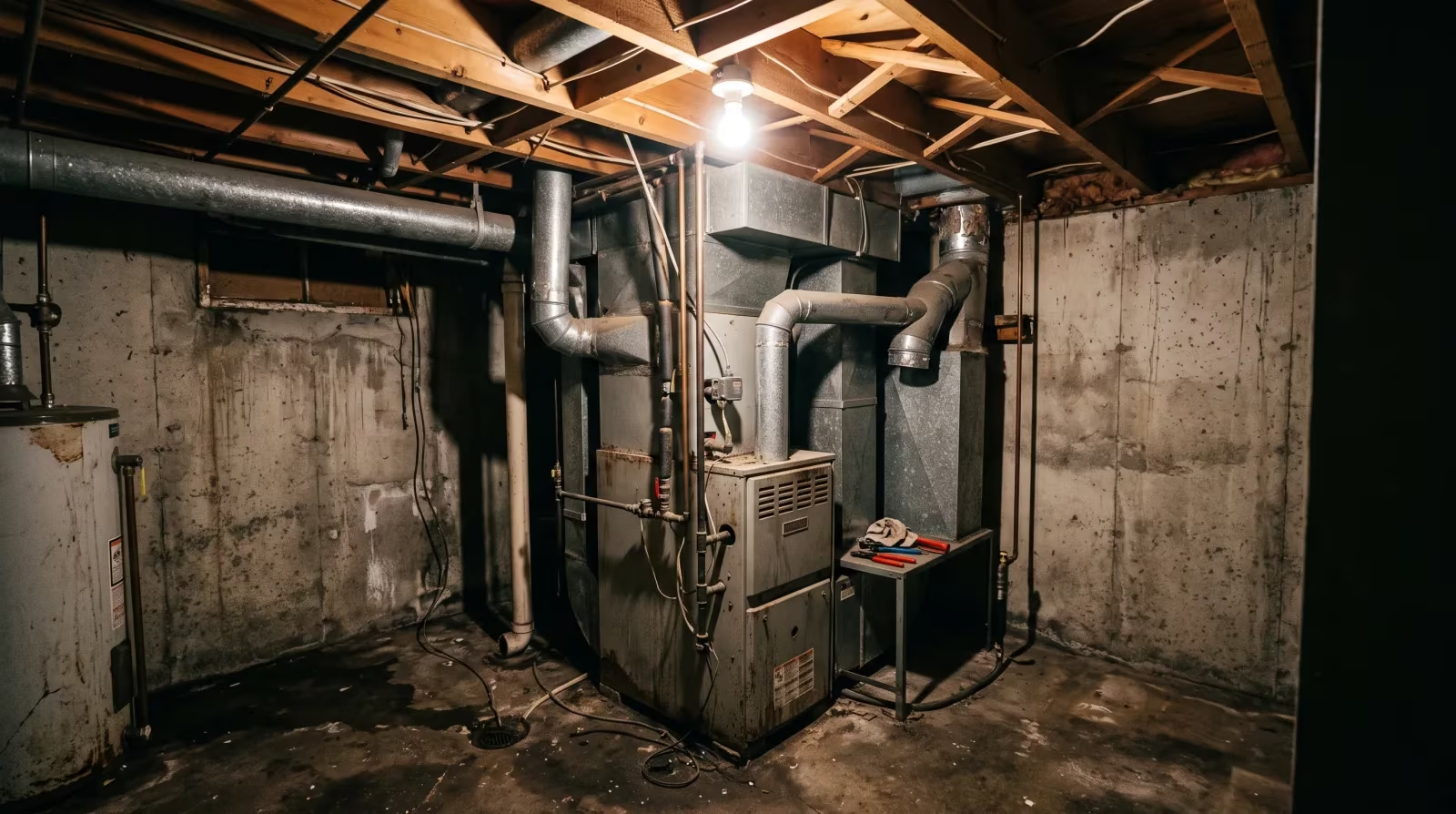

Buyers who find an oil furnace in the basement of an older home usually ask what it costs to run. That is the least important of the three questions attached to oil heat, and the other two can affect whether the purchase completes at all.
The tank matters more than the furnace
Insurers are reluctant to cover properties with old oil tanks, and policies that do exist typically carry leakage and pollution exclusions.
The concern is contamination rather than fire. Heating oil that escapes a tank goes into soil, and from soil it can reach groundwater and neighbouring property. Cleanup is expensive and the liability attaches to the land.
Where an oil tank is 25 years or older, insurance companies may require removal and replacement, or a change to gas or electric heating, before providing coverage.
That single sentence is why the tank comes first. Everything else follows from whether the property can be insured.
The chain to your mortgage
Lenders require the property to be insurable. If no insurer will write a policy because of an oil tank, the financing is at risk regardless of how well your application looked.
The pattern we occasionally see is a buyer who clears financing early, feels settled, and then hits the insurance wall close to completion. It is the same chain that catches people with older wiring.
The fix is the same too. Call an insurance broker with the actual address during your subject period and get the answer in writing. What will you write, on what terms, and what do you require.
Buried tanks are a separate category
An above-ground tank in a basement or beside the house is one situation. A buried tank is another.
Underground tanks corrode out of sight, and a leak contaminates soil where nobody sees it happen. According to BC Real Estate Lawyers, many older homes were originally heated with furnace oil and buried tanks were often simply filled with sand or capped when natural gas arrived.
That means a home with gas heat today can still have a tank in the yard.
Our dedicated guide to underground oil tanks covers what to look for and how scanning works. If there is any suspicion of one, resolve it before subject removal rather than after.
How to spot the history
Look for a fill pipe or a vent pipe on an exterior wall, sometimes cut off close to the siding. Copper lines entering the building near where a furnace would be. An old furnace, or its outline in dust on a basement floor. A patch of yard that has been disturbed or where vegetation grows differently.
The property disclosure statement may address tanks, and it is worth reading closely for what it says and what it does not.
Conversion options
If you are converting, the realistic choices are a heat pump, natural gas where a connection is available on the street, or electric.
A heat pump is increasingly the default in the Fraser Valley, because it provides cooling as well as heat and our summers have made that a genuine consideration rather than a luxury. Our comparison of electric baseboard versus heat pump covers the operating side.
What determines the right choice for a specific home is the existing ductwork, the electrical service, and what utility connections exist. A home with good ducting is a simpler conversion than one that has never had forced air.
The cost people forget
Older homes sometimes need an electrical service upgrade to support a heat pump.
That cost can be substantial and it is often quoted separately, or discovered after the fact. When you are comparing conversion quotes, ask specifically whether the electrical service is adequate and whether an upgrade is included.
Rebates
BC rebate programs offer heat pump rebates through Better Homes BC, with amounts varying by program stream, region, and the fuel being replaced. Our guide to heat pump rebates covers the two streams and the eligibility rules.
The important procedural point: work must be installed by a contractor registered with the programs, and the home must meet the residence and age requirements. Read the current requirements before booking anything.
How to handle it as a buyer
Four steps inside the subject period.
Establish whether there is a tank, above ground or buried, and whether there ever was one. Get an insurance answer in writing for the specific address. Get quotes for tank removal if applicable and for the conversion you would want. Confirm what your electrical service can handle.
Then decide. Oil-heated homes are frequently priced to reflect this, and buyers proceed on them regularly. Our subject removal guide covers protecting the time to get these answers.
The short version
The furnace is the least of it. The tank determines your insurance, and insurance determines your financing. Buried tanks are a distinct and more serious question, and a gas-heated home can still have one in the yard.
Get the insurance answer in writing, price the conversion including any electrical upgrade, and check the rebate rules before booking work.
We are agents rather than insurance brokers, environmental consultants, or heating contractors, and none of this is professional advice on a specific home. Those three professionals are the ones who can give you real numbers.
Key takeaways
- Insurers are reluctant to cover properties with old oil tanks and policies often carry leakage and pollution exclusions.
- Where a tank is 25 years or older, insurers may require removal and replacement or a fuel change before providing coverage.
- Lenders require the property to be insurable, so a tank question can become a financing question.
- A home heated by gas today may still have a buried tank from an earlier era.
- An electrical service upgrade is a common hidden cost when converting to a heat pump.
Frequently Asked Questions
Why do insurers care about oil heating?
The concern is leakage and contamination rather than the furnace itself. Insurers are reluctant to cover properties with old oil tanks, and policies that exist typically carry leakage and pollution exclusions.
Is there an age at which a tank becomes a problem?
If an oil tank is 25 years or older, insurance companies may require removal and replacement, or a change to gas or electric heating, before providing coverage. Confirm the requirement for your specific property and insurer.
What about buried tanks?
A buried tank is its own category of risk, because a leak contaminates soil and potentially groundwater, and remediation can be costly. Our separate guide covers underground oil tanks in detail, and any suspicion of one should be investigated before you remove subjects.
How do I know if a home has or had an oil tank?
Look for a fill pipe or vent pipe on the exterior wall, copper lines entering the building, an old furnace or its remains, and unexplained patches in a yard. A property disclosure statement may address it, and a tank scan can be arranged.
What are the conversion options?
Typically a heat pump, natural gas where a connection is available, or electric. A heat pump also provides cooling, which matters more in the Fraser Valley than it used to. The right choice depends on the home's ductwork, electrical service, and what is available on the street.
Are there rebates for converting from oil?
BC rebate programs offer heat pump rebates, and amounts vary by program stream, region, and the fuel being replaced. Check current program requirements before booking work, since using an unregistered contractor can disqualify a rebate.
Does the furnace itself need replacing right away?
That depends on its age and condition, and on what your insurer requires. An older furnace nearing the end of its service life is a budget item regardless of the fuel, so have it assessed.
Will my electrical service handle a heat pump?
Older homes sometimes need an electrical service upgrade to support a heat pump. That cost can be significant, so it belongs in your quote comparison rather than being discovered later.
Should I make removal a condition of my offer?
Buyers do raise this, particularly when insurance depends on it. Whether it is achievable depends on the situation and the market. At minimum, get the insurance answer in writing during your subject period.
Is an oil-heated home a bad buy?
Not automatically. Many are well-priced precisely because of this issue, and the conversion is a known project with a knowable cost. The buyers who struggle are the ones who found out after completion that no insurer would write the policy.
Sources
- Underground Oil Storage Tanks, BC Real Estate Lawyers
- Home Renovation Rebate Program, Better Homes BC
Verified September 1, 2026. General information only, not insurance, environmental, or heating advice. Insurer requirements vary by company. Get written confirmation for your specific property.
Related FRIVE guides
- Underground oil tanks in BC, the buried tank question in detail
- Heat pump rebates in BC, what you can claim on a conversion
- Knob-and-tube and aluminum wiring, the same insurance-to-financing chain
- Electric baseboard vs heat pump, comparing heating systems
- Property disclosure statement in BC, what a seller discloses about tanks
Next Steps: Work with FRIVE
Oil-heated homes in Mission and the older parts of Abbotsford often price below comparable gas-heated houses, and for a buyer willing to manage the conversion that gap can be real value.
If you are considering one and want help sequencing the insurance and quote calls, start a conversation with the FRIVE team or browse current Fraser Valley listings.
Sources
- Underground Oil Storage Tanks, BC Real Estate Lawyers
- Home Renovation Rebate Program, Better Homes BC
Related guides
Found this useful? Share it.
A neighbour, a partner, a friend who's two FHSA contributions away, send it their way.