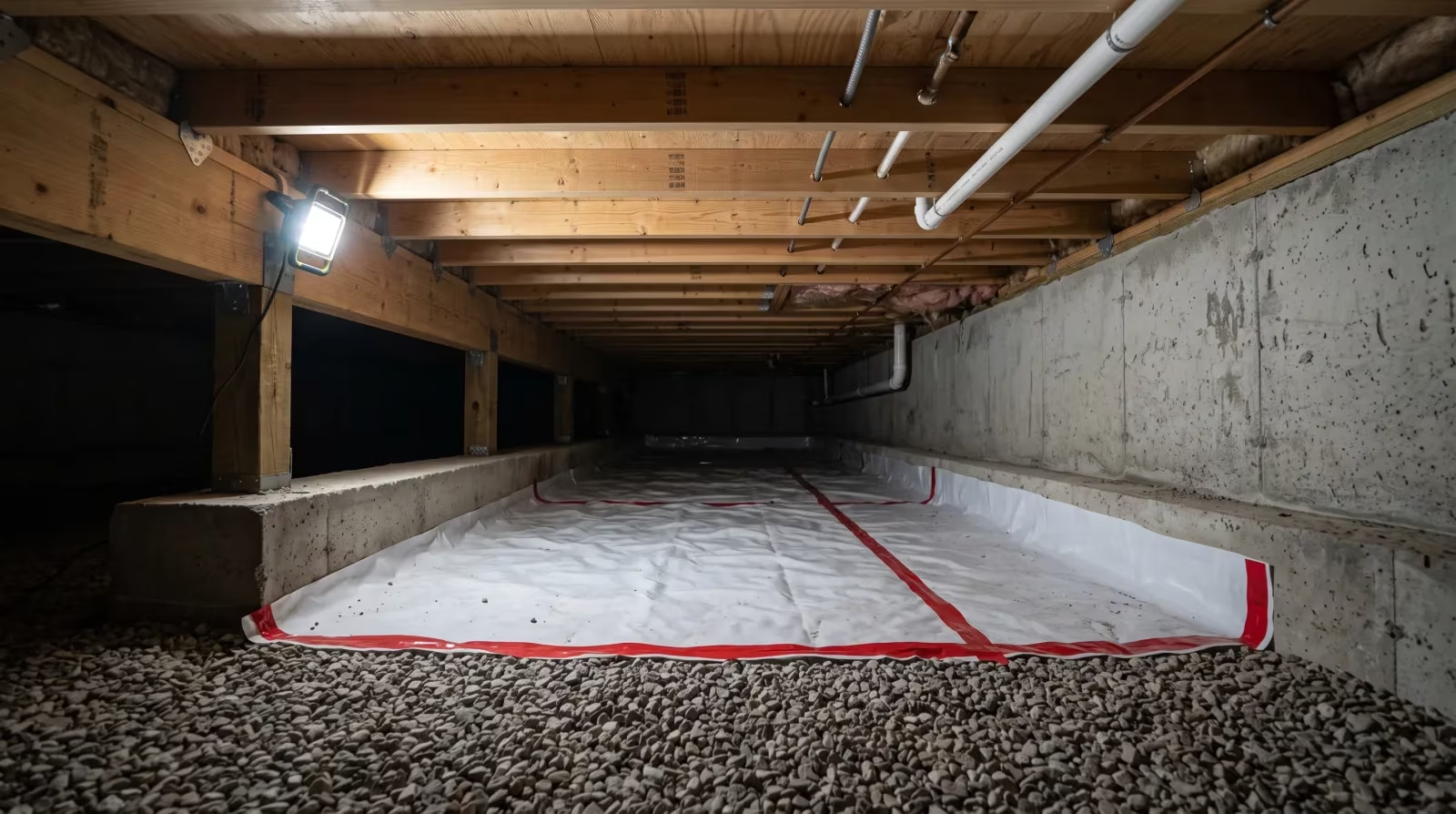

The crawlspace is the part of a townhouse nobody looks at. The hatch is usually in a closet behind whatever the current owner stores there, the space is low and dark, and viewing it takes actual effort. It is also where the earliest evidence of a water problem shows up.
What a crawlspace does
A crawlspace is the shallow space between the ground and the floor of the home. It provides access to plumbing, ducting, and wiring, and it separates the living space from the soil.
Many Fraser Valley townhouses and older homes have one instead of a full basement. In a ground-oriented complex, each home may have its own, or a shared crawlspace may run under several units.
Because it sits directly on or near the ground, it is the part of the building most exposed to soil moisture, and in a valley with our rainfall that matters.
The vapour barrier
The single most informative thing in a crawlspace is the vapour barrier.
It is a sheet, usually heavy plastic, laid over the crawlspace floor to stop moisture from the ground evaporating up into the space. A properly installed barrier covers the entire floor, runs up the walls, and is sealed at the seams.
What you often see instead is a barrier that has been torn by anyone who has crawled through, bunched into a corner, pulled back for a plumbing repair and never replaced, or simply absent.
A well-maintained barrier suggests somebody has been paying attention. A shredded one suggests nobody has looked in a long time.
What to look for
Beyond the barrier, a short list.
Standing water or visibly damp soil. White mineral deposits on concrete, which indicate water has been moving through it. Rust on metal supports or fasteners. Dark patches or staining on the underside of the floor sheathing above. Insulation that is falling down or looks compressed and damp. And a musty smell you notice as soon as the hatch opens.
Also look at how the exterior grade meets the building, because most crawlspace water problems start outside. Ground sloping toward the home, downspouts discharging next to the foundation, and blocked or missing drainage are common sources.
Ask your inspector the specific question
This is the practical tip that matters most.
Ask your home inspector whether they entered the crawlspace or looked from the hatch. Inspectors enter where access is safe and reasonable, and sometimes it genuinely is not, because the access is blocked or the clearance is too low.
Either answer is fine. What matters is that you know which one you got, because a report based on a look from the opening is a much thinner document than one based on going through the whole space.
Our home inspection guide covers the general scope of an inspection and where its limits sit.
Why it affects the rest of the home
Air moves upward. A crawlspace with high humidity feeds moisture into the living space above it, and that shows up as indoor humidity, musty smells, and condensation on windows in cool weather.
Owners often treat those as separate problems. Frequently they are one problem with a source underneath the floor. Our guide to condensation and mould covers the upstairs symptoms, and in a ground-oriented townhouse the crawlspace is worth checking before assuming the issue is ventilation habits.
The strata question
In a townhouse complex, settle this before you need to.
Whether the crawlspace is part of your strata lot, common property, or limited common property is defined by the strata plan. Treatment varies between complexes, and it determines who is responsible for maintaining it and who pays when something goes wrong.
Read the plan and the bylaws. Our guides to limited common property and strata bylaws versus rules cover how these boundaries work, and the strata document review checklist covers the full package.
If several units share a crawlspace, that is worth knowing too, because a problem in one section can affect neighbours and the resolution becomes a strata conversation rather than an individual one.
Fixing a damp crawlspace
The right fix depends on the cause, which is why diagnosis comes before repair.
Common measures include repairing or replacing the vapour barrier, improving exterior grading so water flows away from the building, extending downspouts, cleaning or repairing perimeter drainage, and in some cases adding ventilation or a sump.
Replacing a vapour barrier while water keeps arriving from outside treats the symptom and leaves the source. A contractor who wants to look at the exterior drainage before quoting the interior work is giving you a good sign.
How buyers should handle it
If a crawlspace shows evidence of moisture, get an opinion during your subject period rather than after completion. That opinion tells you whether you are looking at a barrier replacement or a drainage project, and those are different numbers.
Then decide. Buyers proceed on homes with crawlspace issues regularly, particularly when the cause is clear and the fix is understood. Our subject removal guide covers keeping time for this, and flood risk in the Fraser Valley covers the wider water picture in parts of the valley.
Insurance is worth a separate question. Groundwater intrusion, a burst pipe, and overland water are treated differently by policies. Ask your broker about the specific property.
The short version
The crawlspace is the cheapest information available about how a home handles water, and almost nobody looks. Check the vapour barrier, the soil, the concrete, and the underside of the floor. Notice the smell.
Ask your inspector whether they went in. Read the strata plan to find out whose crawlspace it is. If there is evidence of moisture, get it diagnosed before you remove subjects rather than after.
We are agents rather than building professionals, and none of this is a diagnosis. A qualified contractor or inspector is the right person to assess a specific crawlspace.
Key takeaways
- A vapour barrier should cover the whole floor, run up the walls, and be sealed at the seams.
- Standing water, mineral deposits on concrete, rust, dark patches on floor sheathing, and a musty smell are the signals to note.
- Ask whether your inspector entered the crawlspace or looked from the hatch, since the reports differ substantially.
- Crawlspace humidity moves upward and can cause condensation and musty smells in the living space.
- The strata plan determines whether the crawlspace is your strata lot, common property, or limited common property.
Frequently Asked Questions
What is a crawlspace for?
It is a shallow space between the ground and the floor of the home, providing access to plumbing, ducting, and wiring, and separating the living space from the soil. Many Fraser Valley townhouses and older homes have one instead of a full basement.
What is a vapour barrier?
It is a sheet, usually heavy plastic, laid over the crawlspace floor to stop moisture from the ground evaporating into the space. A properly installed barrier covers the entire floor, runs up the walls, and is sealed at seams.
What should I look for in a crawlspace?
Standing water or damp soil, a vapour barrier that is torn, missing, or bunched up, staining or white mineral deposits on concrete, rust on metal supports, dark patches on the underside of floor sheathing, and a strong musty smell.
Does a home inspector go into the crawlspace?
A home inspector will enter a crawlspace where access is safe and reasonable. Ask specifically whether they entered or only looked from the hatch, because those produce very different levels of information.
Who is responsible for a crawlspace in a strata?
It depends on whether the crawlspace is part of your strata lot, common property, or limited common property, which the strata plan defines. Read the plan and the bylaws, since crawlspace treatment varies between complexes.
Can crawlspace moisture affect the rest of the home?
Yes. Moisture and air move upward from a crawlspace into the living space, which can affect indoor humidity and contribute to musty smells and condensation upstairs.
How is a damp crawlspace fixed?
It depends on the cause. Common measures include repairing or replacing the vapour barrier, improving exterior drainage and grading, addressing gutters and downspouts, and sometimes adding ventilation or a sump. Getting the source diagnosed matters more than treating the symptom.
Is standing water always serious?
It always deserves an explanation. A small amount after an unusual storm is different from persistent water, but you want to know which one you have rather than assuming the benign version.
Should the seller fix it before completion?
You can ask. Whether that is realistic depends on the situation and the market. Many buyers instead get a contractor's opinion during the subject period and negotiate or plan the work themselves.
Does insurance cover crawlspace water?
It depends on the cause and the policy. Groundwater intrusion is treated differently from a burst pipe, and overland water coverage is a separate consideration. Ask your insurance broker about the specific property.
Sources
- Strata Property Act, Government of British Columbia
- Guide to addressing moisture and mould indoors, Health Canada
Verified September 1, 2026. General information only, not a building assessment. Crawlspace conditions and strata responsibility vary by property. Retain a qualified inspector or contractor for a specific home.
Related FRIVE guides
- Condensation and mould in BC condos, the symptoms that appear upstairs
- Home inspection guide, what your inspector covers
- Limited common property, how strata boundaries are defined
- Flood risk in the Fraser Valley, the wider water picture
- Strata document review checklist, reading the package
Next Steps: Work with FRIVE
We open crawlspace hatches on townhouse showings, which occasionally makes for an awkward moment with the listing agent. It is worth it, because what is under the floor tells you things the finished rooms never will.
If you want someone willing to look in the unglamorous places, start a conversation with the FRIVE team or browse current Fraser Valley listings.
Sources
- Strata Property Act, Government of British Columbia
- Guide to addressing moisture and mould indoors, Health Canada
Related guides
Found this useful? Share it.
A neighbour, a partner, a friend who's two FHSA contributions away, send it their way.