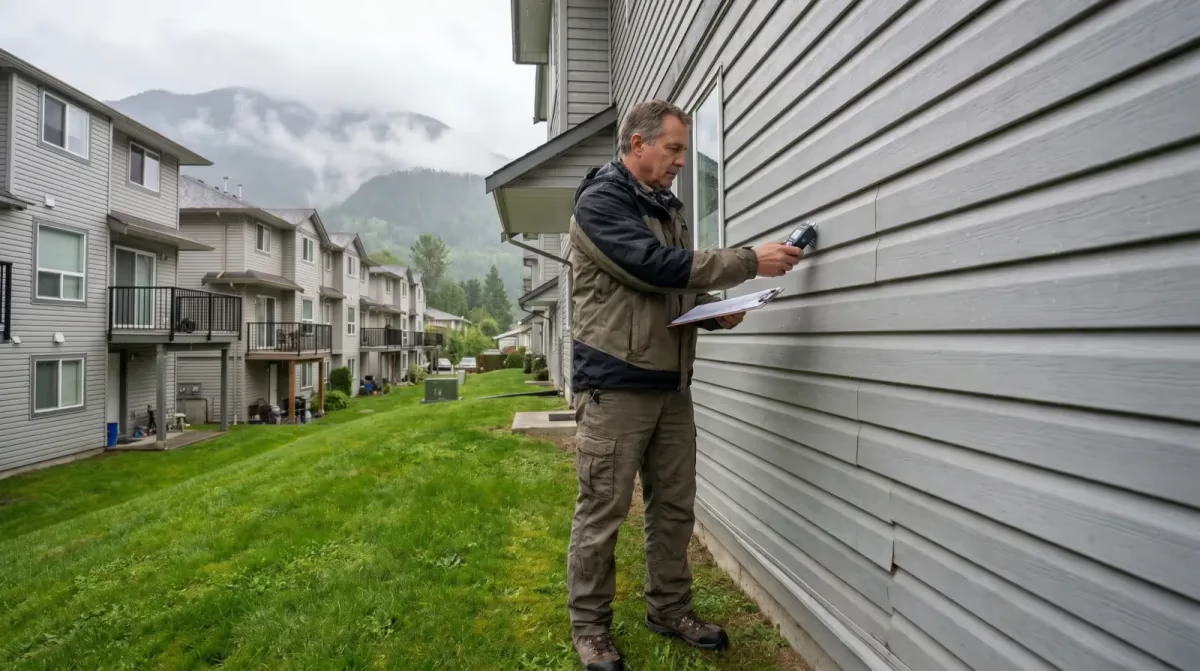

A home inspection is not optional for a first-time buyer. It's the physical half of a two-part due-diligence system, and first-time condo and townhouse buyers often underestimate how different it is from what they picture.
The picture most people have comes from detached-home content written for different buyers. The concerns in a 2-storey wood-frame Surrey condo building or a Langley side-by-side townhouse are not the same as in a detached home in the suburbs. The inspection itself is the same process, a licensed inspector, a few hours, a written report, but what they're looking for, and what they can't see, is specific to the building type you're buying into.
What a home inspector actually does (and doesn't)
An inspector spends two to three hours doing a visual, non-invasive assessment of the property. They walk through every accessible room. They look at the electrical panel, plumbing fixtures, HVAC, windows, ceilings, walls, floors, the balcony or patio, the parkade (if accessible), and any building-envelope elements reachable from the outside. They take photos. They produce a written report with findings graded by severity.
What they cannot do: open walls, lift flooring, move furniture, or probe anywhere not visually accessible. They're not destructive. An inspector who sees a moisture stain on a ceiling can note it as a concern and recommend further investigation, they can't tell you if the problem is resolved or ongoing without specialized testing that's outside a standard inspection scope.
This is not a limitation unique to BC. The BCFSA Consumer Guide to Property Inspections is clear on this point: a property inspection is a visual assessment, and it doesn't uncover defects that aren't visible at the time of inspection.
For first-time buyers in the Fraser Valley, the practical implication is this: you are not buying certainty. You are buying the best available visual read on a building from a trained professional. That's genuinely useful. It's just not a warranty.
What inspectors focus on in strata buildings
Detached-home inspection training transfers to strata units, but experienced inspectors in the Fraser Valley know the specific failure points of wood-frame strata buildings. Here's what they're paying attention to:
Building envelope. BC's leaky condo era, roughly the late 1980s through the late 1990s, though the boundaries are often debated, produced thousands of wood-frame buildings that failed at their exterior wall assemblies. Water got in, rot followed, and repair costs ran into the billions. Buildings from that era that haven't been remediated are still out there, and some that were remediated have had new issues emerge. An inspector will look for signs of moisture intrusion at window frames, exterior wall transitions, and balcony connections.
Electrical panels. Older 4-storey wood-frame buildings in the Fraser Valley sometimes have electrical panels that are at or past their expected service life, or that were installed with brands and configurations that insurers now flag. In some units, we've seen buyers find out post-inspection that their insurer wants a panel upgrade as a condition of coverage. This is worth knowing before subjects come off.
Plumbing age and condition. Polybutylene pipe, common in buildings from the 1980s through the mid-1990s, is a known failure point and a known insurance red flag. An inspector assessing an older building will note the pipe type. If it's polybutylene, that's a material conversation to have with your insurer and potentially a negotiating point with the seller.
Roof. Flat roofs (common on low-rise wood-frames) have a different lifespan profile than sloped roofs. The inspector will note visible condition from the roof access point or ground-level observation and flag signs of ponding, membrane failure, or missing maintenance. Significant roof work often shows up in the strata documents too, both sources together give a better picture.
Parkade membrane. The parkade membrane sits under the driving surface of underground or semi-underground parking structures and prevents water from reaching the structure below. Membrane failure is expensive and common in older buildings. An inspector can often see early signs from inside the parkade, staining, rust bleed-through, cracking, even when the membrane itself isn't directly accessible.
Balconies and decks. Balcony-membrane failure is a secondary envelope problem specific to strata units. The inspector looks at the connection points and the visible surface for signs of water infiltration.
EV charging. This is newer territory for inspectors, but worth raising if you're a buyer who plans to charge a vehicle. The unit's electrical capacity and the building's panel situation affect whether EV charging is feasible. Some newer Fraser Valley buildings have addressed this; many older ones have not.
What a home inspection does not cover
Understanding the limits is as important as understanding what it includes. A standard inspection will not cover:
Behind walls and under flooring. The single biggest limitation. A visually dry wall can hide active moisture. An inspector who sees nothing isn't telling you nothing is there, they're telling you nothing was visible on the day.
Oil tanks. Some older townhome properties in the Fraser Valley have decommissioned underground oil tanks. A standard inspection won't locate one. If there's any indication of former oil heat, an old fill pipe at the exterior, a fuel-switch notation in the strata records, a tank search is a separate specialist cost worth taking on.
Asbestos. Buildings constructed before the mid-1980s may contain asbestos in insulation, floor tiles, drywall compound, or pipe lagging. A visual inspection won't find it. If you're buying an older unit or planning renovations, an asbestos survey from a qualified industrial hygienist is a separate step.
Mold testing. An inspector can note visible mold and flag moisture conditions consistent with mold risk. They don't perform air sampling or quantitative mold assessments. If the inspection turns up suspected mold or the building has a history of envelope failure, a separate mold assessment may be warranted.
WETT certification for fireplaces. A Wood Energy Technology Transfer (WETT) inspection is a separate certification specific to solid-fuel-burning appliances. If the unit has a wood-burning fireplace or insert, your insurer will likely require a WETT certificate. A standard home inspector is not a WETT-certified technician.
Septic systems on some townhome properties. Side-by-side townhomes and row homes built on private lots, particularly in more rural parts of Mission, Maple Ridge, and Chilliwack, sometimes have private septic systems. These are outside standard inspection scope and require a specialist.
The subject-to-inspection clause: how it works
In a standard BC offer, the subject-to-inspection condition makes your purchase conditional on a satisfactory inspection completed within an agreed window, in our experience, typically five to seven business days from acceptance.
During that window, you hire a licensed inspector, attend the inspection, receive the written report, and make a decision. Three outcomes are possible:
-
Proceed as-is. The inspection is clean, or the concerns are minor and expected for the building age. You remove your inspection subject and continue to subject removal on financing and strata documents.
-
Renegotiate. The inspection identifies real deficiencies, a panel that needs upgrading, signs of moisture that the seller needs to address, a roof that's near end of life. You go back to the seller with a specific ask: a price reduction, a repair credit, or the seller fixing a defined item before completion. Sellers in a balanced market often accept a reasonable ask here. The word is reasonable, credible repair estimates, specific items, not a kitchen-sink wishlist.
-
Walk. The problems are serious enough, or the seller won't budge, and walking is the better call. You remove your subjects in writing, recover your deposit, and move on. This is the protection the clause exists for. Use it if you need it.
Most of the deals we see with inspection findings land in outcome 2. Outcome 3 is rare but it happens, and the buyers who walked have always been glad they kept the condition in their offer in the first place.
One practical note: a subject-free offer is an offer written without this exit. In the current Fraser Valley market, with inventory ample and condos averaging well over a month on market before they sell, there is almost never a reason for a first-time condo or townhouse buyer to waive an inspection condition. Keep it.
The inspection and the strata documents are different things
This is the most common misconception we encounter. A clean inspection report does not mean the building is financially sound. A building can have a fine physical condition on inspection day and still be heading for a $50,000 per unit special levy the following spring.
The strata document review, the Form B, the depreciation report, the meeting minutes, is a separate subject condition that covers the building's financial health, governance, and planned capital work. Both conditions belong in any offer on a strata property.
Think of it this way: the inspection tells you about the present physical state of what you can see. The strata documents tell you about the building's financial future and recent history. You need both reads to make a fully informed decision. Neither replaces the other.
For a full walkthrough of what to look at in the documents side of the equation, see our strata due diligence guide and the strata documents review checklist.
How to find a qualified inspector in BC
In BC, home inspectors must hold a licence issued by Consumer Protection BC, under the Business Practices and Consumer Protection Act and the Home Inspector Licensing Regulation. To qualify for that licence, an inspector generally holds a certification from a recognized body such as ASTTBC, CAHPI (BC), or the National Certification Program. The licence is the baseline. Ask for it. If an inspector can't confirm they hold a current Consumer Protection BC licence, find someone who can, and you can look them up in Consumer Protection BC's public licence search.
Beyond licensing, these are the questions worth asking before you book:
Do you have experience with wood-frame strata buildings? A general inspector who mostly does detached homes may be less attuned to leaky-condo-era building-envelope concerns or the specific failure patterns in flat-roofed low-rises. Experience with the building type matters.
Can I see a sample report? A good inspector produces a clear, detailed written report with photos, severity ratings, and specific notes. A sample report shows you whether their communication style will actually be useful at decision time.
How long does the inspection take? For a typical Fraser Valley condo or townhouse, two to three hours is reasonable. Significantly shorter is a flag; some older or larger buildings genuinely take longer.
What isn't covered by your inspection? A good inspector will be clear about their limitations. Vague answers here are a problem.
When are you available? In spring and early summer, peak buying season in the Fraser Valley, inspectors book out one to two weeks in advance. Have your inspector identified before your offer goes in so you can schedule the inspection on day one of subject removal, not day four.
Inspection costs for condos and townhouses in the Fraser Valley typically run in the $400 to $700 range. Verify current pricing directly when you book; rates shift and a quote from two years ago may not reflect what inspectors are charging now.
Older buildings need closer attention
Not all buildings in the Fraser Valley are equal, and the inspection risk profile shifts significantly with age.
Buildings built during the leaky-condo era, generally defined as the late 1980s through the late 1990s, face a specific set of concerns. Envelope failure. Polybutylene plumbing. Electrical panels reaching the end of their service life. Flat-roof membrane systems that have been patched multiple times. These aren't automatic deal-breakers. Some buildings from that era have been fully remediated and are well-run. But they need closer inspection scrutiny and a thorough read of the strata documents to understand what's been done and what's still outstanding.
For a 4-storey wood-frame condo from the early 1990s in Surrey, Abbotsford, or Langley, we'd tell a buyer to look closely at three things the inspection can surface: moisture signs anywhere near the exterior walls, the age and brand of the electrical panel, and the visible condition of the parkade membrane. If any of those flags come up, we have an honest conversation about what it means for the offer before subjects come off.
Buildings from the 2000s and newer aren't risk-free, no building is, but the known failure-pattern profile is different, and a clean inspection on a newer building usually means fewer follow-up questions.
Frequently asked questions
Do I need a home inspection for a condo in BC?
Yes. Most first-time buyers include a subject-to-inspection condition in their offer. A licensed inspector examines the unit, common-area elements accessible on the day, and the building's visible systems. It won't replace a review of the strata documents, but it tells you things the Form B doesn't, hidden moisture, panel age, plumbing condition inside the unit.
How much does a home inspection cost in BC?
Inspections for condos and townhouses in the Fraser Valley typically range from $400 to $700. The price varies by inspector, building type, and complexity. Verify current pricing when you book, rates change and a quote from two years ago may be out of date.
How long does a home inspection take?
Two to three hours is typical for a condo or townhouse. Larger units, older buildings, or inspections that include crawl spaces and complex mechanical systems can run longer. Plan to be present for the whole inspection, the verbal walkthrough during the inspection is as useful as the written report.
What does a home inspector look for in a strata building?
The inspector assesses the unit's visible systems, electrical panel, plumbing fixtures, HVAC, windows, balcony, interior surfaces, and any common-area or building-envelope elements accessible that day. In older wood-frame buildings they pay particular attention to moisture signs, envelope condition, and electrical panel age. They can't see inside walls or floors.
What does a home inspection not cover?
A standard inspection is visual and non-invasive. It does not cover: behind walls or under flooring, oil tanks (needs a separate specialist), asbestos (older buildings may require an asbestos survey), mold testing beyond what's visible, WETT certification for fireplaces, or private septic systems on some townhome properties. These require separate specialist assessments.
What is a subject-to-inspection condition?
It makes your purchase conditional on a satisfactory home inspection completed within the agreed window, typically five to seven business days. If the inspection reveals a serious problem, you can renegotiate on price or credits, request the seller remedy the issue before completion, or walk away and recover your deposit. Once you remove subjects, you've accepted the property as is.
What is the leaky condo era and why does it matter?
BC wood-frame buildings built roughly between the late 1980s and the late 1990s were constructed with design and material choices that led to widespread water infiltration through the building envelope. The repairs ran into the billions of dollars province-wide. Buildings from that era need extra scrutiny, check the strata documents for envelope repair history, and look for signs of ongoing moisture during the inspection.
Do I need both an inspection and a strata document review?
Yes, and they cover different things. The inspection covers the physical condition of the unit and visible building systems. The strata documents cover the building's financial health, pending repairs, governance, and coming levies. A building can pass an inspection and still have serious problems visible only in the strata minutes or depreciation report. Both conditions belong in your offer.
How do I find a good home inspector in BC?
Home inspectors in BC must be licensed by Consumer Protection BC, the provincial regulator, under the Home Inspector Licensing Regulation. Inspectors usually qualify for that licence by holding a certification from a recognized body such as ASTTBC or CAHPI (BC). Ask to see the current Consumer Protection BC licence and verify it in their public licence search. Ask for a sample report before you book, and check whether they have specific experience with wood-frame strata buildings. In spring and summer the Fraser Valley books out one to two weeks in advance, have your inspector lined up before your offer goes in.
Can I negotiate after a home inspection in BC?
Yes. The three outcomes are: proceed as-is if the inspection is clean, negotiate a price reduction or credit for deficiencies identified, or walk away if the problems are serious enough. Most deals that have inspection findings land in the middle, the buyer gets a credit or the seller fixes something, and the deal proceeds. Walking is rare but it's always an option before subjects are removed.
Sources
- BC Financial Services Authority, Consumer Guide to Property Inspections
- Home inspector licensing in BC, Consumer Protection BC
- Home inspectors, Province of British Columbia
Related FRIVE guides
- First-time buyers hub, the full roadmap from pre-approval to keys
- Buying timeline: how long it takes, where the inspection fits in the sequence
- How to write a competitive offer in BC, keeping your subjects and still winning
- Strata documents review checklist, the other half of your due-diligence window
- Strata due diligence hub, what to check before every condo or townhouse purchase
- Former grow-op and remediated homes, what a remediation certificate does and doesn't cover
- Galvanized and cast iron plumbing in older BC homes, what an inspector flags and what it costs to replace
- Solar panels on a BC home you're buying, inspection points and how ownership transfers
- Soundproofing and party walls in a townhouse, what's normal and what's a construction defect
This is general information for educational purposes. Every inspection is specific to the property and the inspector, review the actual written report with your realtor and, where the findings involve legal or structural questions, talk to a qualified professional before making decisions.
Work with the FRIVE team
The buyers we've worked with who felt most confident coming out of subject removal had two things in common: they were present for the full inspection and asked every question on the day, and they read the strata documents instead of skimming them. Both of those things are easier with someone walking you through them in real time.
Book a 20-minute chat with the FRIVE team, we'll walk you through what to expect at every stage, what to look for in a Fraser Valley condo or townhouse inspection, and how to use the subject-removal window properly before you're under the pressure of a live deal.
Found a condo or townhouse you like?
Let the FRIVE team request and review the strata package for you. We'll go through the Form B, depreciation reports, and council minutes, and let you know if we spot any red flags, like upcoming special levies or restrictive rules. Completely free, no obligation, no pressure.
Sources
- Consumer Guide to Property Inspections, BC Financial Services Authority (BCFSA) (2024)
- Home inspections, licensing requirements, Consumer Protection BC (2024)
From accepted offer to keys
8 pieces that fit together. Read them in order, or jump to the one you need.
- Start hereFrom Accepted Offer to Keys: How Closing Actually Works in BC
- Guide · you are hereHome Inspection Guide for BC First-Time Buyers: Condos and Townhouses
- GuideSubject Removal in BC Real Estate: What It Is and How It Works
- GuideBC Home Buyer Rescission Period: The 3-Day Rule First-Time Buyers Need to Know
- GuideTitle Insurance in BC: The One-Time Premium That Protects Your Ownership
- GuideThe Property Disclosure Statement in BC: How to Read What the Seller Tells You
- GuideFrom Accepted Offer to Keys: The BC Closing Timeline Week by Week
- GuideNotary or Lawyer for Your BC Closing? How First-Time Buyers Should Decide
Related guides
- Buyers GuideRealtor Fees and Buyer Representation in BC: What You Actually Pay in 2026
- Buyers GuideHow to Buy a Home in Surrey, BC: A Step-by-Step Guide for First-Time Buyers
- Buyers GuideHow to Write a Competitive Offer in a Buyer's Market (Without Giving Up Your Protections)
- First-Time BuyersLangley vs Abbotsford for First-Time Buyers: Space, Price, and the Commute Math
Found this useful? Share it.
A neighbour, a partner, a friend who's two FHSA contributions away, send it their way.