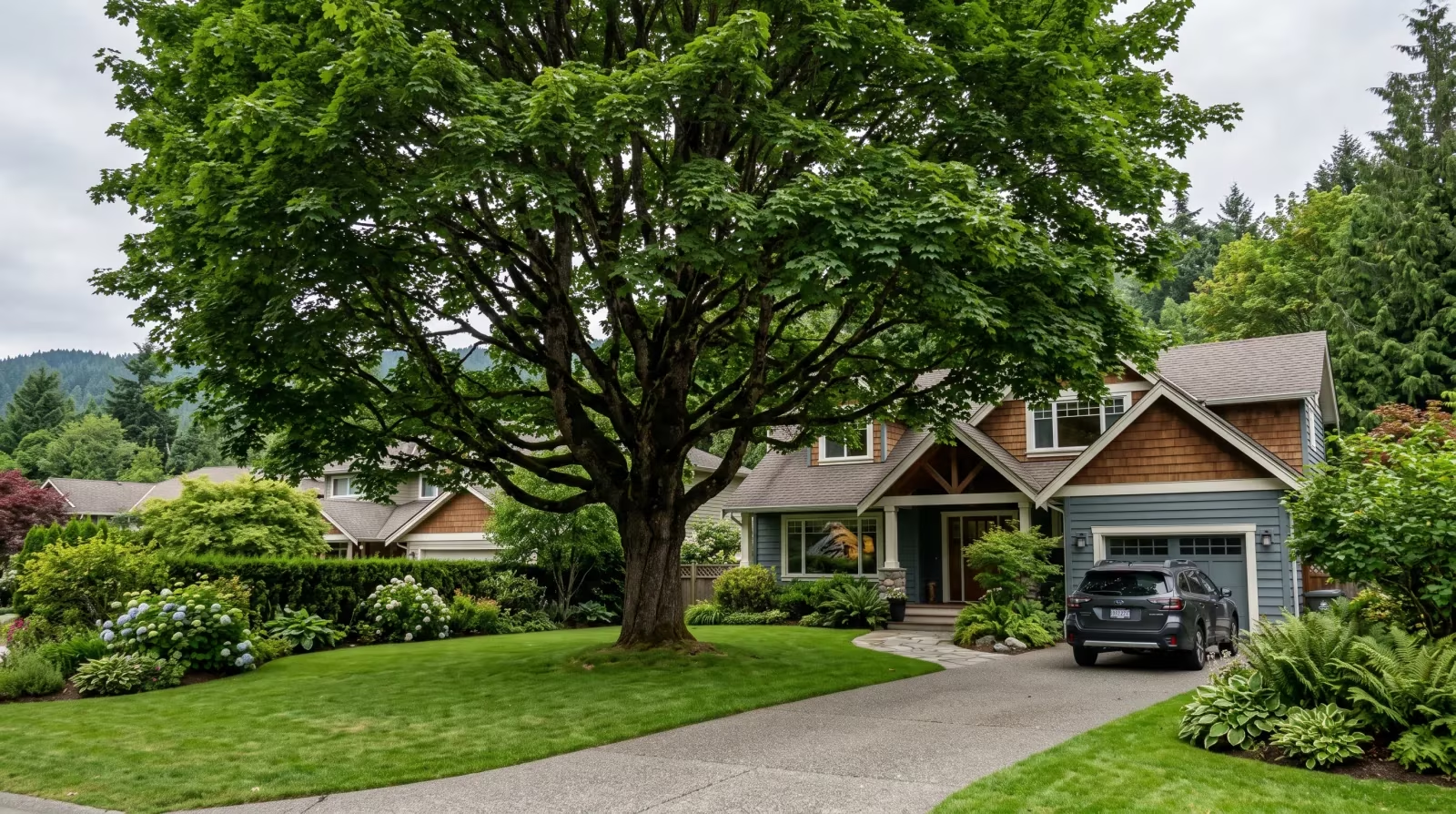

New owners often arrive with a plan for the yard, and that plan sometimes involves removing a large tree. In most Fraser Valley municipalities, whether that is allowed is a question for the city rather than a matter of personal preference.
The tree is yours and the decision may not be
Municipalities across the Fraser Valley maintain tree protection bylaws that require a permit to remove trees meeting certain criteria. Owning the land does not by itself give you the right to remove what grows on it.
The City of Surrey's tree protection bylaw is one example of the framework, and every municipality in the region operates its own version.
What triggers protection is usually trunk diameter measured at a specified height. Bylaws may add protections for particular species, for trees in riparian areas, for trees on slopes, and for trees identified in a development permit.
The rules are not the same across the valley
This is the part that catches people who move between cities.
Surrey, Langley, Abbotsford, Chilliwack, Mission, and Maple Ridge each set their own tree bylaw. The diameter thresholds, the exemptions, the permit process, and the replacement requirements differ.
Knowing the rule where you used to live tells you nothing reliable about where you are buying. Confirm with the municipality that governs the specific property, and do it before you form a plan around removal.
What happens if you get it wrong
Municipalities can issue fines and require replacement planting. In Surrey, for example, you may be fined up to $20,000 for damaging or removing a tree without a permit, and for every tree removed you may be required to plant two replacement trees. Penalties vary by bylaw, so confirm the figures that apply in your own municipality.
The pattern we see is a new owner who completes in spring, spends a weekend clearing, and receives a letter afterwards. At that point the tree is gone, the fine is real, and the replanting requirement is not optional.
The permit conversation costs a phone call. It is worth making it first.
Layers that stack on top
Two additional layers show up regularly in the Fraser Valley.
Watercourse proximity. Trees near a creek or stream can attract riparian protections in addition to the tree bylaw. Our guide to riparian setbacks covers the provincial framework and the municipal development permit areas that often accompany it.
Development permit conditions. Trees identified for retention during a subdivision or development approval may carry ongoing protection, and those requirements can be registered against the property. Our guide to easements, rights of way, and covenants covers how to find what is registered on title.
In a strata, add a third layer. Trees on common property belong to the strata, and landscaping changes generally require strata approval under the bylaws.
Hazardous trees
Most bylaws include provisions for trees that are dead, dying, or genuinely dangerous, typically requiring an arborist report supporting the removal.
That is a process rather than an exemption. A homeowner's own view that a tree looks risky is not usually sufficient, and the municipal route exists precisely so that "it looked dangerous" cannot become a general permission.
If you have a tree you are genuinely concerned about, get an arborist to assess it and follow the city's process. That also protects you, because a documented professional assessment is useful if anything happens later.
Neighbour trees and overhanging branches
Branches crossing a property line raise both legal and neighbourly questions, and self-help pruning can create liability.
Before cutting anything that is not clearly yours, check the bylaw requirements with your municipality and consider legal advice. Our guides to fences and property lines and survey certificates cover the related question of where the boundary actually runs, which is often less certain than people assume.
When to check this as a buyer
If you are buying a home to live in as it stands, tree bylaws may never come up.
If your plan involves an addition, a detached garage, a pool, a suite, or significant landscaping, check before you write. Trees can constrain where you are permitted to build, which makes this a planning question rather than a gardening one.
Our subject removal guide covers protecting time for municipal questions, and buying in the Agricultural Land Reserve covers another case where multiple authorities need to agree.
Trees as an asset
Worth saying, because this reads as a list of restrictions.
Mature trees provide shade that meaningfully reduces cooling costs in August, privacy that fencing cannot match, and street appeal that shows up in value. A lot with established trees is generally worth more than an identical lot without them.
They also drop debris, need periodic maintenance, and eventually reach the end of their lives. An arborist assessment on a specific tree tells you which situation you have, and it is inexpensive relative to the decisions it informs.
The short version
Fraser Valley municipalities protect trees through bylaws that vary city by city, usually triggered by trunk diameter. Removing a protected tree without a permit can bring fines and replanting requirements.
Riparian rules, development permit conditions, and strata bylaws can add further layers. Hazardous tree removal generally goes through the municipality with an arborist report.
If your plans for a property involve removing anything substantial, ask the city before you write the offer.
We are agents rather than arborists or municipal officials, and none of this is advice on a specific tree or property. Your municipality holds the definitive answer.
Key takeaways
- Owning the land does not automatically permit removing trees on it.
- Protection is usually triggered by trunk diameter, with additional rules for species, location, and development conditions.
- Penalties are real: Surrey's bylaw allows fines up to $20,000 and can require two replacement trees per removal.
- Tree bylaws differ between Fraser Valley municipalities, so confirm with the city governing the property.
- Riparian regulation, registered covenants, and strata bylaws can add further layers of protection.
- Hazardous tree removal typically requires an arborist report and municipal process rather than owner judgment.
Frequently Asked Questions
Can I remove a tree on my own property?
Not always. Municipalities across the Fraser Valley have tree protection bylaws that require a permit to remove trees meeting certain criteria, usually based on trunk diameter, species, or location on the lot. Check with your city before removing anything substantial.
What determines whether a tree is protected?
Bylaws typically use trunk diameter measured at a set height, and may add protections for particular species, trees in riparian areas, trees on slopes, or trees identified in a development permit. The exact thresholds vary between municipalities.
What happens if I remove a protected tree without a permit?
Municipalities can issue fines and require replacement planting. In Surrey you may be fined up to $20,000 for removing or damaging a tree without a permit, and may be required to plant two replacement trees per tree removed. Penalties vary by municipality.
Do the rules differ between Fraser Valley cities?
Yes. Each municipality sets its own tree bylaw, so Surrey, Langley, Abbotsford, Chilliwack, Mission, and Maple Ridge do not have identical rules. Confirm with the city that governs the specific property.
What about a dangerous or dying tree?
Most bylaws include provisions for hazardous trees, often requiring an arborist report supporting the removal. That process still generally goes through the municipality rather than allowing removal on your own judgment.
Who pays if a neighbour's tree overhangs my yard?
Overhanging branches raise both legal and neighbourly questions, and self-help pruning can create liability. Speak with your municipality about bylaw requirements and consider legal advice before cutting anything that is not clearly yours.
Do strata properties have tree rules too?
Yes, in addition to municipal bylaws. Trees on common property are the strata's responsibility, and removing or altering landscaping usually requires strata approval. Check both layers before doing anything.
Should I check tree rules before buying?
If your plan for the property involves removing trees, building an addition, adding a garage, or putting in a pool, yes. Trees can constrain where you build, which is a planning question rather than a landscaping one.
Does a development permit affect trees?
It can. Trees identified for retention in a development permit or subdivision approval may carry ongoing protection, and those requirements can be registered against the property.
Is a large tree a liability or an asset?
Both, depending on species, condition, and location. Mature trees add shade, privacy, and value, and they also drop debris, can affect drainage, and eventually need maintenance. An arborist assessment gives you a real answer for a specific tree.
Sources
Verified September 1, 2026. General information only, not legal or arboricultural advice. Tree bylaws vary by municipality and change over time. Confirm requirements with the city governing your property.
Related FRIVE guides
- Riparian setbacks near creeks, where additional protections apply
- Fences and property lines, the neighbour boundary question
- Easements, rights of way, and covenants, what is registered on your title
- Renovating with strata approval, the strata layer
- Buying in the Agricultural Land Reserve, another multi-authority situation
Next Steps: Work with FRIVE
If a property appeals to you partly because of what you would change about it, that plan deserves a phone call to the city before you write rather than after you complete.
To talk through what a specific lot would allow, start a conversation with the FRIVE team or browse current Fraser Valley listings.
Sources
- Removing Trees, City of Surrey
- Riparian Areas Protection Regulation, Province of British Columbia
Related guides
Found this useful? Share it.
A neighbour, a partner, a friend who's two FHSA contributions away, send it their way.