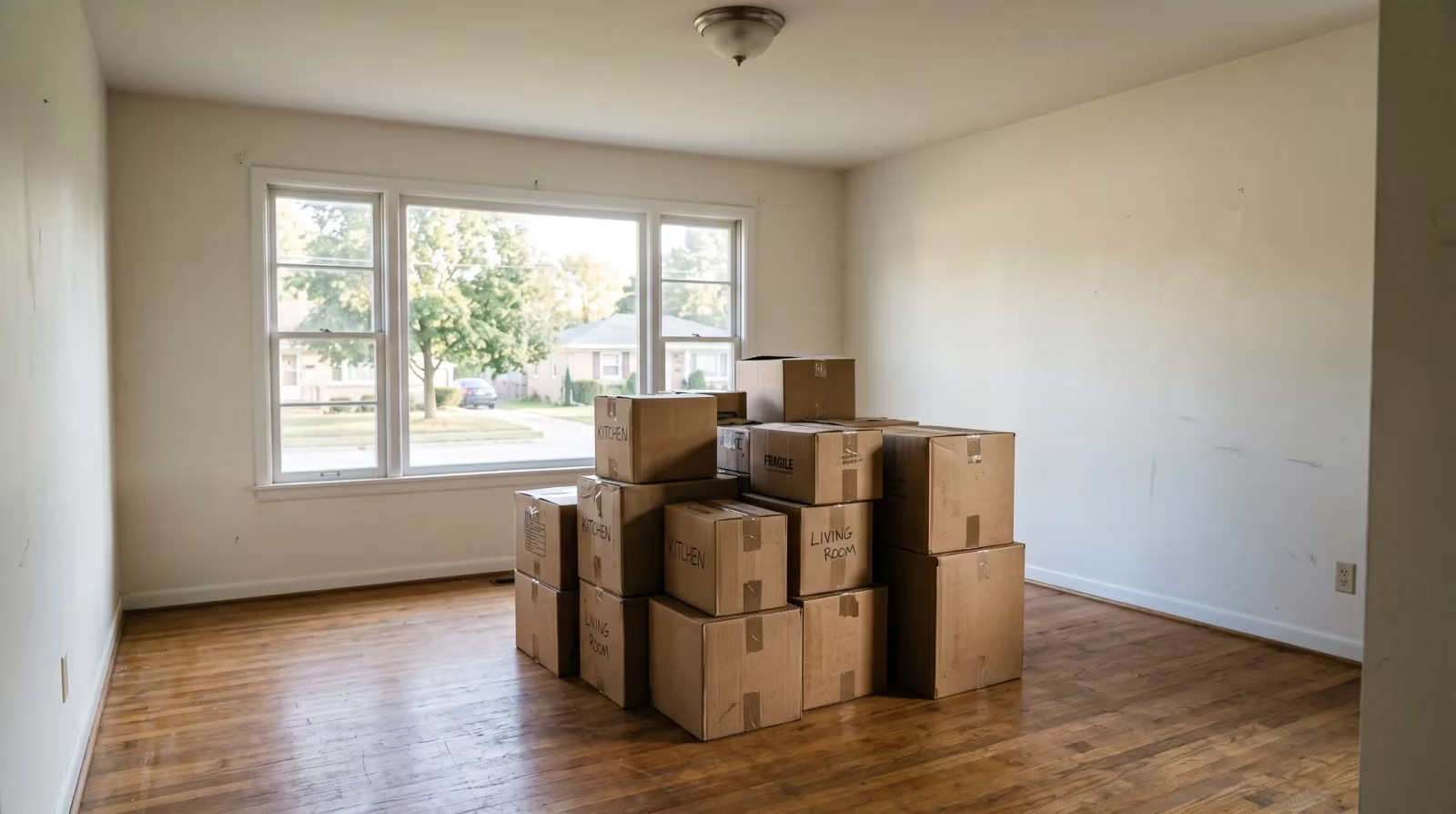

The single most common moving day problem in BC has nothing to do with the house. It comes from booking a moving truck for completion day instead of possession day, and then discovering that those are two different things.
Completion and possession are different
Completion is the day the transaction legally closes. Funds move, documents register at the Land Title and Survey Authority, and title transfers to you.
Possession is the day you are entitled to occupy the property and receive keys.
They are commonly set a day apart. That gap exists for practical reasons: registration and the movement of funds take time on the day, and the seller needs time to finish moving out.
So on completion day you may legally own a home you cannot enter. Our closing day guide covers what happens behind the scenes, and the week-by-week timeline shows how the dates sit relative to each other.
Book movers for possession, and confirm the date with your conveyancer rather than working from memory.
Keys
You get keys on the possession date, typically once completion has been confirmed and the release is given. Your agent usually coordinates the handover.
Do not assume a specific hour. Completion sometimes runs late in the day, particularly at month end when everyone in the province is closing at once. Building a moving schedule that assumes 9am access can go wrong.
Utilities, arranged early
Set up transfers to begin on your possession date, and arrange them a week or two ahead rather than the day before.
BC Hydro, natural gas, internet, and municipal utilities each have their own processes and lead times. Internet in particular can require an appointment, and appointments at month end fill up.
One specific risk: sellers sometimes cancel their power a day early. If your account starts a day later than theirs ended, you are unpacking in the dark. Setting your start date to the possession date closes that gap.
Insurance has its own date
Your home insurance needs to be in effect from the completion date, and your lender will require proof of it before funding.
That is earlier than possession and earlier than moving day. Confirm the effective date with your broker rather than assuming coverage begins when you arrive with boxes.
If the home has features that affect insurability, such as older wiring, Poly-B plumbing, or an oil tank, this should have been resolved long before now.
Strata move-in requirements
This catches first-time condo and townhouse buyers regularly.
Many strata corporations require booking the elevator, paying a move-in fee, and moving within defined hours. Some prohibit moves on Sundays or holidays entirely.
Turning up unbooked with a loaded truck on a Saturday morning can mean being turned away. Arrange this weeks ahead. Our guide to strata move-in fees and restrictions covers what to expect and what to ask.
The first things to find
Before you unpack anything, locate three things.
The main water shutoff. The electrical panel. The furnace or heating controls.
Learning where the water shutoff is while water is actively coming out of something is a poor use of your first night in a new home. This takes five minutes and it is the best five minutes you will spend that day.
While you are at it, test the smoke alarms and note where the carbon monoxide detector is if the home has fuel-burning appliances.
Locks and fobs
Changing the locks on a detached home is a reasonable precaution, because you have no way of knowing how many keys exist or who has them.
In a strata, check the bylaws first. Door hardware may be governed by the strata, and fobs and access cards are typically issued and controlled by the building rather than something you replace yourself. Confirm how many fobs you are receiving and whether extras cost money.
The unglamorous list
Mail forwarding. Address changes with your bank, employer, insurer, driver's licence, and the province. Property tax and utility accounts registered in your name.
None of it is interesting and all of it prevents a month of chasing misdirected documents. Our guide to the moving in checklist covers the wider list, and first year owning a condo or townhouse covers the costs that follow.
What to expect financially
Completion is also when the money lands. Our guide to closing costs on a first home covers what you are paying and when, and if you qualify for the Property Transfer Tax first-time buyer exemption, your conveyancer claims it on your behalf.
The first month of ownership is usually more expensive than new owners expect, mostly through small things arriving at once.
The short version
Completion and possession are different days. Book movers for possession, confirm the date with your conveyancer, and do not assume a morning key handover.
Arrange utilities to start on the possession date, weeks ahead. Confirm your insurance effective date with your broker. In a strata, book the elevator and pay the move-in fee well in advance.
When you get in, find the water shutoff, the panel, and the heating controls before you open a single box.
We are agents rather than lawyers or insurance brokers, and none of this is advice on your contract. Your conveyancer confirms your actual dates.
Key takeaways
- Completion transfers title and possession gives you occupancy, and they are commonly a day apart.
- Book movers for the possession date and confirm it with your conveyancer.
- Set utility accounts to start on possession day, arranged a week or two ahead.
- Home insurance must be effective from the completion date, and your lender will require proof.
- Locate the water shutoff, electrical panel, and heating controls before unpacking.
Frequently Asked Questions
What is the difference between completion and possession?
Completion is the day the transaction legally closes, funds move, and title transfers. Possession is the day you are entitled to occupy the property and get keys. They are often set a day apart, which is why booking movers for the wrong one causes problems.
Why are they usually different days?
Completion involves registration at the Land Title and Survey Authority and the movement of funds, both of which take time to finish on the actual day. Setting possession for the following day gives that process room to complete and gives the seller time to finish moving out of the property. On completion day you may legally own a home you cannot yet enter, which surprises buyers who assume the two events happen at the same moment. Book movers for possession, not completion, and confirm both dates with your conveyancer rather than working from memory.
When do I actually get keys?
You get keys on the possession date, typically once completion has been confirmed and the release is given by the seller's side. Your agent usually coordinates the handover once that confirmation comes through. Do not assume a specific hour, since completion sometimes runs late in the day, particularly at month end when many transactions across the province are closing at once. Building a moving schedule around a fixed morning access time can go wrong, so confirm the likely timing with your agent rather than planning around an assumption.
When should I set up utilities?
Arrange transfers to start on the possession date, and do it a week or two ahead rather than the day before, since BC Hydro, gas, internet, and municipal utilities each have their own processes and lead times. Internet in particular can require a technician appointment, and appointments around month end fill up quickly when many households are moving at once. Setting your account to start exactly on the possession date also protects against a gap if the previous owner's service ends earlier than expected, which avoids unpacking in the dark.
What if the previous owner cancels the power early?
Sellers sometimes cancel their power a day earlier than expected, which happens occasionally and is unpleasant in winter when a home without heat and lighting becomes a real problem. If your own account starts a day later than theirs ended, you are unpacking in the dark rather than settling into the new home. Setting your utility account to start exactly on the possession date, rather than assuming a day of overlap, closes that gap and avoids the surprise. Arrange this a week or two ahead rather than the day before you move in.
Should I change the locks?
Changing the locks is a reasonable precaution on a detached home, since you have no way of knowing how many keys exist or who has copies of them from before your purchase. In a strata, check the bylaws first, since door hardware may be governed by the strata corporation, and fobs and access cards are typically issued and controlled by the building rather than something you replace yourself. Confirm how many fobs you are receiving at possession and whether extra ones cost money before assuming you can simply swap the hardware.
What do I need to do about strata move-in?
Many strata corporations require booking the elevator, paying a move-in fee, and moving within defined hours, and some prohibit moves on Sundays or holidays entirely. Arrange this well ahead of your possession date, because turning up unbooked with a loaded truck on a Saturday morning can mean being turned away at the door. This catches first-time condo and townhouse buyers regularly, since it is not something anyone expects to need to book in advance. Confirm the requirements and fees with the strata or property manager as soon as your possession date is set.
What should I locate first in the new home?
Before you unpack anything, locate the main water shutoff, the electrical panel, and the furnace or heating controls, since these are the three things you need fast if something goes wrong in the first few days. Learning where the water shutoff is while water is actively coming out of something is a poor use of your first night in a new home. This takes about five minutes and it is worth doing before a single box comes off the truck. While you are at it, test the smoke alarms and note the carbon monoxide detector's location.
Do I need to tell my insurer?
Your home insurance policy needs to be in effect from the completion date, which is earlier than possession and earlier than moving day, and your lender will require proof of it before funding the mortgage. Confirm the effective date with your broker rather than assuming coverage begins when you arrive with boxes on possession day. If the home has features that affect insurability, such as older wiring, Poly-B plumbing, or an oil tank, this should already be resolved by the time you are this close to completion, not something you are still working out.
What about mail and address changes?
Set up mail forwarding and update your address with your bank, employer, insurer, driver's licence, and the province, along with registering property tax and utility accounts in your name. None of this is interesting, and all of it prevents a month of chasing misdirected documents and missed notices after you move. Handle it in the same week as possession rather than letting it slide, since some changes, like updating your driver's licence, have their own deadlines once you have a new address on file.
Sources
Verified September 1, 2026. General information only, not legal advice. Completion and possession dates are set by your contract. Confirm your dates with your BC notary or lawyer.
Related FRIVE guides
- Closing day in BC, what happens behind the scenes
- Moving in checklist, the wider list
- Strata move-in fees and restrictions, booking the elevator
- Closing costs on a first home, what you pay at completion
- First year owning a condo or townhouse, the months after
Next Steps: Work with FRIVE
Possession day goes smoothly when the boring parts were arranged three weeks earlier. It goes badly when the truck is booked, the elevator is not, and BC Hydro needs two business days.
If you are approaching possession and want a sanity check on the sequence, start a conversation with the FRIVE team or browse current Fraser Valley listings.
Sources
- Land Title and Survey Authority of British Columbia, Land Title and Survey Authority of British Columbia
- Moving & service requests, BC Hydro
Related guides
- Buying ProcessJoint Tenancy vs Tenancy in Common in BC: How You Hold Title Matters
- Buying ProcessFrom Accepted Offer to Keys: The BC Closing Timeline Week by Week
- Buying ProcessAppraisal vs Inspection in BC: Two Different Checks, Two Different Jobs
- Buying ProcessThe Final Walkthrough Before Completion in BC
Found this useful? Share it.
A neighbour, a partner, a friend who's two FHSA contributions away, send it their way.