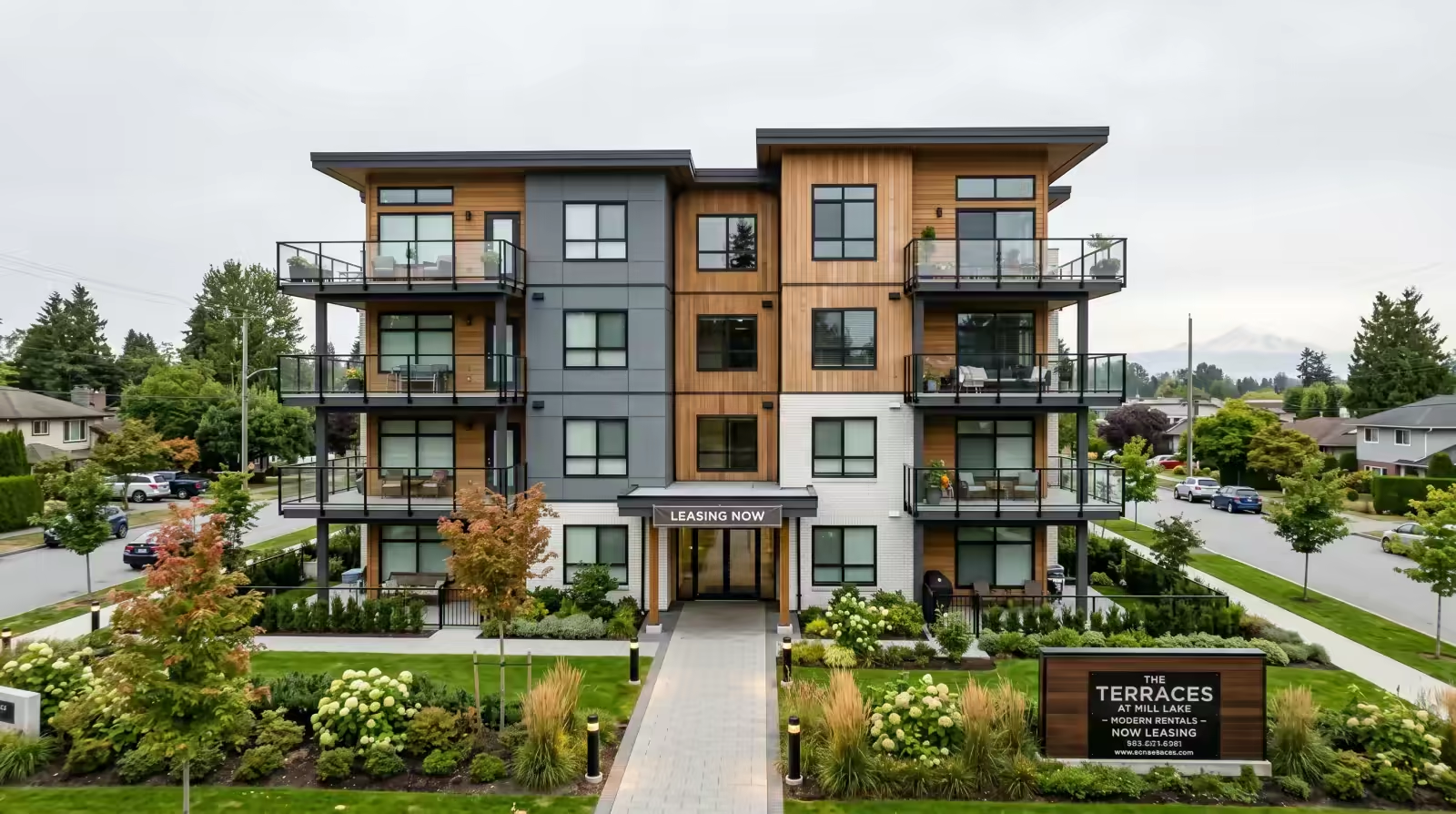

Many downsizers in the Fraser Valley own more than one property. A rental house they kept after moving into something smaller, an investment condo they bought ten years ago, a vacation property at the lake. When the time comes to sell, the tax picture is different from selling a principal residence. Capital gains tax applies, and the principal residence exemption does not. This post explains the basics, what to gather before you list, and what questions to bring to your accountant.
Why capital gains tax applies to a second property
In Canada, when you sell property that is not your principal residence, any increase in value from the time you bought it to the time you sell it is a capital gain. CRA includes a portion of that gain in your taxable income for the year of sale.
The capital gain is calculated as the sale price minus your adjusted cost base. The adjusted cost base, often shortened to ACB, is roughly what the property cost you in total: the purchase price, the legal fees at purchase, the land transfer tax you paid, and any capital improvements you made over the years. Maintenance and routine repairs are generally not added to the ACB, though they may have been deductible as rental expenses in the year you paid them.
Your accountant calculates the ACB from your records. If you have owned the property for fifteen or twenty years, some of those records can be hard to find. Start gathering them before you list.
The principal residence exemption does not apply here
The principal residence exemption is the rule that lets most BC homeowners sell their main home without paying capital gains tax on the increase in value. It applies to a property you designated as your principal residence for each year you owned it.
A rental property or investment property that was never your principal residence does not qualify for the exemption. The full capital gain is taxable.
If you lived in the property for some years before you began renting it, the exemption may apply to the years you lived there, reducing the taxable portion. The calculation is based on the number of years the property qualifies as a principal residence divided by the total years of ownership, plus one. This partial exemption calculation belongs to your accountant.
The inclusion rate: what CRA actually taxes
The inclusion rate is the portion of your capital gain that CRA includes in your taxable income. Canada's income tax rules have used a two-thirds inclusion rate for gains above certain thresholds following proposals in the 2024 federal budget, but the specific rules applicable to any given year of sale have been subject to legislative change.
We are not stating a specific rate in this post because the rules were in flux as of our knowledge cutoff and because the rate that applies to your sale depends on when you sell and on how much your gain is. CRA publishes the current rules at canada.ca. Your accountant will apply the correct rate to your situation.
What is constant: the capital gain from selling a second property is a real and potentially large tax amount. On a property that has gone from $400,000 to $900,000 over fifteen years, the gain is $500,000 before the ACB adjustments. A portion of that gain is added to your taxable income in the year of sale. The tax on that income depends on your total income for the year. These are numbers worth modeling with an accountant before you list.
What a clearance certificate is and when you need it
A clearance certificate is a document CRA issues that confirms a property seller has no outstanding tax debts. It is required when a non-resident of Canada sells Canadian real estate: in that case, the buyer's lawyer must withhold a portion of the sale proceeds until the certificate is issued.
For Canadian residents selling a property in BC, a clearance certificate is not legally required as a condition of the sale. However, some conveyancers and buyers' lawyers ask about it, particularly in transactions where the tax picture is complex. Ask your accountant and your conveyancer whether a clearance certificate is relevant to your sale.
Timing the sale: should you sell this year or next?
This is a planning question for your accountant, and the answer depends on your total income for each year. Capital gains from an investment property are added to your other income for the year of sale. If you are also selling your principal residence and receiving RRIF withdrawals in the same year, the total taxable income for that year may push you into a higher bracket.
Some sellers who own both a principal residence and a rental property choose to sell them in different tax years to manage the annual income impact. Others sell in the same year for other reasons. The right choice depends on the specific numbers, which only your accountant can model.
This is worth talking through well before you sign a listing agreement, not after you have accepted an offer and the completion date is set.
What records to gather before you list
The earlier you gather records, the more time you have to find anything that is missing.
The original purchase price and all costs at the time of purchase: legal fees, land transfer tax, any adjustments on the statement of adjustments from your original conveyancer.
Records of capital improvements: a new roof, a kitchen renovation, an addition, new windows. These increase the ACB and reduce the capital gain. Routine maintenance does not count, but capital improvements do. Keep receipts and contractor invoices.
All years of rental income and expense records: T776 forms from your past tax returns showing the rental income and expenses you declared to CRA.
The sale price and costs of selling: commission (an example commission cost only, as BC has no standard commission rate), legal fees, and any costs of preparing the property for sale that qualify as selling costs.
Your accountant will tell you exactly what they need. The more complete your records, the more accurate the ACB calculation will be.
What to bring to your accountant
Bring everything listed above, plus your most recent two or three years of personal tax returns. Tell your accountant the anticipated sale price, your expected other income for the year of sale, and whether you are also selling your principal residence in the same year.
Ask specifically about the inclusion rate that applies to your gain, whether any partial principal residence exemption applies, whether selling in a different tax year would change your outcome, and whether a clearance certificate applies to your sale.
Your accountant is the right person to answer these questions. We can tell you what to expect in the process, but the tax calculation belongs to them.
The practical next step
If you are thinking about selling a second property in the Fraser Valley and want to understand what it is worth today, request a free home value estimate from the FRIVE team. We work with sellers across Surrey, Langley, Abbotsford, Chilliwack, Mission, and Maple Ridge, and we can walk you through the selling process while you work through the tax planning with your accountant.
For more on the full downsizing process, the FRIVE downsizing hub covers what to expect from start to finish. This post is general information only. Confirm all tax details with your accountant before you sell.
BC-specific considerations when selling an investment property
BC does not have a provincial capital gains tax separate from the federal calculation. The capital gain on a property in BC is reported to CRA on your federal tax return, and the tax is calculated at the federal level. BC income tax is then calculated on the same taxable income.
The BC speculation and vacancy tax may also apply if you owned the property in a designated area and it was not your primary residence. The speculation and vacancy tax is an annual provincial tax, not a sale-related tax, but if you have been paying it on the property, your accountant will already know the property is a second home and will have the records needed for the capital gains calculation.
Property Transfer Tax does not apply on the sale of a property. The buyer of your investment property pays PTT when title transfers into their name. As a seller, you do not pay PTT on the sale.
What "adjusted cost base" means in practice
The adjusted cost base is the number most sellers get wrong, because it requires going back to records from when they bought the property, often many years ago.
The ACB starts with the original purchase price. It increases each time you add a capital improvement. Capital improvements are changes that increase the value or extend the useful life of the property: a new roof, an addition, a kitchen renovation, new windows, a new furnace. Routine repairs, like fixing a leak or painting, are maintenance and do not add to the ACB.
If you paid land transfer tax at purchase, that also adds to the ACB. So do legal fees from the original purchase. The statement of adjustments from your conveyancer at the time of purchase is the source document.
If your original conveyancer is still in business, they may have a copy of the statement of adjustments. Your accountant can also help reconstruct the ACB from whatever records exist. The earlier you start this process, the more time you have to find anything that is missing.
Talking to your accountant before you list
An accountant who knows about your sale before it happens can do more than one who hears about it after. If you have a year or more before you plan to sell, your accountant can model the tax under different scenarios: selling this year vs next, selling both properties in the same year vs different years, and whether any other planning tools apply to your situation.
This kind of planning is not available once the offer is accepted and the completion date is set. The tax on the sale is determined by the year of sale. If modeling shows a different year would produce a better outcome, the time to know that is before you list.
Reach out to the FRIVE team if you want to talk through the market value side of the sale. We work with sellers across Surrey, Langley, Abbotsford, Chilliwack, Mission, and Maple Ridge, and we can point you to accountants who work with property sellers in the Fraser Valley. The tax side belongs to your accountant. The selling side belongs to us.
If the property has not been declared as rental income in the past
Some sellers who have owned a secondary property for many years have not declared the rental income on their tax returns. This is a separate legal matter from the capital gains calculation, and your accountant needs to know about it. CRA can reassess returns going back several years in some circumstances.
Failing to disclose past undeclared rental income to your accountant does not make the capital gains tax go away. It may compound the problem. If you have been receiving rental income and not declaring it, the right step is to speak to your accountant before you list the property, not after the sale is complete. A voluntary disclosure to CRA is an option your accountant can explain. This is exactly the kind of situation where getting professional advice early avoids a larger problem later.
Frequently asked questions
Do I pay capital gains tax when I sell an investment property in BC?
- Yes. When you sell a second property in Canada, such as a rental house, an investment condo, or a vacation home, capital gains tax applies. The capital gain is the sale price minus the adjusted cost base of the property. CRA includes a portion of that gain in your taxable income for the year of sale. The principal residence exemption does not apply to a second property. Confirm the tax impact for your specific situation with your accountant before you list.
What is the adjusted cost base of an investment property?
- The adjusted cost base is what the property cost you, plus certain expenses you can add: the original purchase price, legal fees at purchase, land transfer tax, and eligible capital improvements you made to the property. Expenses like maintenance and repairs are generally not added to the cost base, though they may be deductible in the year you paid them. Your accountant calculates the adjusted cost base from your records.
Sources
- Capital gains on property - Canada.ca, Canada Revenue Agency
- What is a principal residence? - Canada.ca, Canada Revenue Agency
Related guides
- DownsizingSelling a Parent's Home in BC: Probate, Who Can Sign, and What to Do First
- DownsizingA Suite for Mom or Dad: The Multigenerational Home Renovation Tax Credit and Moving In With Family in BC
- DownsizingSelling Your House to a Builder in BC: Is the Lot Worth More Than the House?
- Home ConditionEarthquake Risk in the Fraser Valley: What Buyers Should Ask
Found this useful? Share it.
A neighbour, a partner, a friend who's two FHSA contributions away, send it their way.