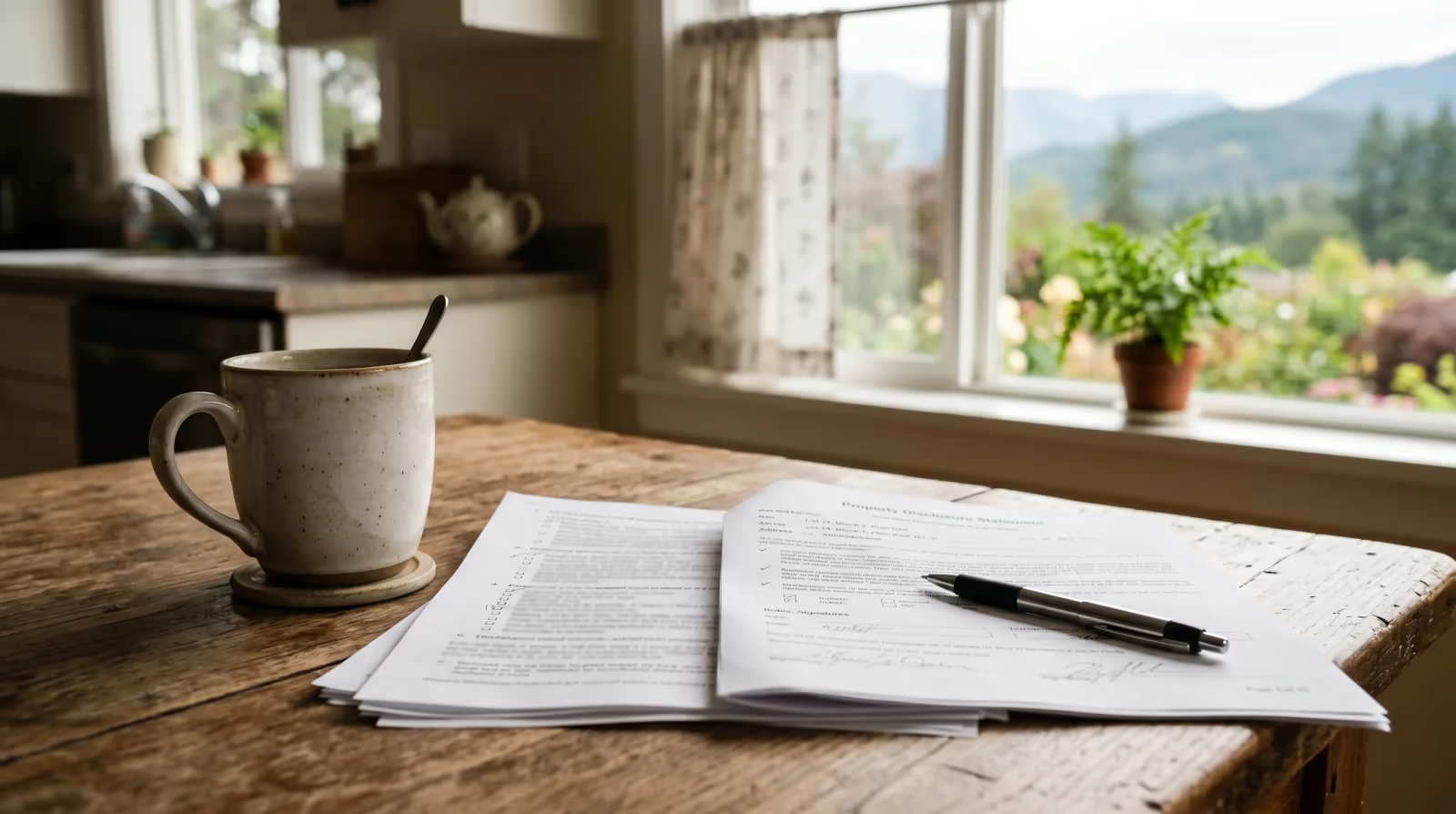

Selling a home you have lived in for twenty or thirty years takes more preparation than most people expect. One piece that often gets skipped is staging, which is the work of arranging, removing, or replacing furniture and objects so the home photographs well and buyers can picture themselves in the space. This post explains what staging costs, what you can do yourself, and where it fits in the weeks before you list.
What a home stager does
A stager is a person trained to look at a home the way a buyer sees it, not the way you see it after living there for years. The stager walks through every room and identifies what helps and what does not.
Furniture that blocks natural light, personal photos on every wall, too many objects on a shelf, a bedroom that doubles as a home office: these are the kinds of things a stager points out. Their goal is to make the rooms look spacious, clean, and neutral enough that buyers can imagine their own life in the space.
A stager is preparing the home for sale. They are not redesigning it.
Two levels of service: consultation or full staging
The Real Estate Staging Association Canada describes two main service levels. Understanding the difference helps you decide which one fits your situation.
A staging consultation is a walk-through. The stager visits your home, takes notes room by room, and gives you a written plan. The plan tells you what to move, what to store, what to repair, and what to remove. You do the work yourself using their list. In the Fraser Valley, consultations typically cost between $200 and $400, according to the Real Estate Staging Association Canada.
Full staging is a managed service. The stager brings furniture, art, lamps, and accessories, arranges everything, and removes it all after the sale. For a condo or small townhouse, full staging starts around $1,500. For a larger detached house, it can reach $5,000 or more, depending on the number of rooms and how much furniture needs to be brought in. Vacant homes, where every room needs furniture, sit at the higher end.
Most sellers who live in the home choose the consultation and do the work themselves. Sellers who have already moved out, or who are too busy to do the prep work, often find full staging worth the cost.
When vacant homes need staging the most
A vacant home photographs smaller and feels less welcoming during a showing. Buyers standing in an empty room have no reference for how their furniture would fit. Photos of empty rooms rarely look as good as photos with furniture, and in the Fraser Valley most buyers first see a home online.
If your house is already vacant, we suggest staging at minimum the living room, primary bedroom, and kitchen or dining area. These are the rooms buyers spend the most time thinking about. Full staging of the whole home is worth considering for any vacant property priced above $600,000, or in a slower market where your home will be compared to others that are staged.
If you are still living in the home when it goes on the market, the equation changes. Your own furniture, properly arranged and decluttered, can work well. This is where a consultation earns its cost.
What you can do yourself before the stager arrives
You do not need to pay a stager to handle the basics. These steps cost little or nothing and make a real difference to how the home looks.
Declutter every room. Remove as much as you can from shelves, counters, and surfaces. Buyers focus on the room, and too many objects pull their attention away from the space itself. Pack items into storage, not into closets buyers will open.
Deep clean from top to bottom. Baseboards, light fixtures, windows, appliances, and grout lines. A clean home tells buyers that it has been looked after.
Touch up paint on scuffs and marks. Small repairs that you have lived with for years jump out to a buyer seeing the home for the first time. Keep the paint colour neutral if you are repainting a full wall.
Replace or update hardware. Cabinet handles and door hardware are inexpensive and make a dated kitchen or bathroom look fresher.
Remove personal photos and memorabilia. Personal photos remind buyers that someone else lives here. The goal is for them to picture themselves in the space.
Improve the front entrance. The first seconds of a showing set the tone. A clean door, a fresh door mat, and a tidy entryway start the visit well.
Neutral paint: when it is worth doing and when it is not
A strong or unusual paint colour can limit who feels at home in a space. Buyers in the Fraser Valley tend to respond well to warm white, light grey, and greige tones. A single bold accent wall that works with your furniture may read differently in photos.
A stager can tell you whether repainting a room is worth the time and money before you list. In some homes the existing colour is fine. In others a fresh coat of a neutral shade changes how buyers respond to the photos.
If you are repainting, do it before the photos are taken. The staging consultation should happen before any paint work so you do not repaint a room in a colour the stager would change.
Where staging fits in the pre-list timeline
Sellers who list in the Fraser Valley typically need four to six weeks to prepare after the decision is made. Here is how staging fits into that window.
Four to six weeks out: Book the staging consultation. The stager will give you a list of work to do. The earlier you have this list, the more time you have for bigger tasks like painting or furniture rental.
Three to four weeks out: Complete the decluttering, cleaning, and any painting or repairs the stager recommends. If furniture rental is part of the plan, confirm the booking so pieces are available on your preferred date.
One to two weeks out: The stager sets up the home, or you complete the final arrangement based on the consultation plan. This is also when the professional photographer comes in.
List date: The home is photographed, the listing goes live, and showings begin.
Rushing this timeline is one of the most common mistakes we see. Sellers who decide to list on short notice often skip staging entirely, or list before the work is done. The photos are the first thing most buyers see, and photos taken in a cluttered or half-prepared home stay on the listing page.
How staging fits with pricing
A well-staged home and a well-priced home are not the same thing, though both matter. Staging makes the home show at its best. Pricing determines whether buyers include it in their search and whether offers come in at all.
We have seen staged homes sit for months because they were priced above what the market would pay. We have also seen unstaged homes sell quickly in tight markets. Staging improves the presentation, which can help justify the asking price or attract offers at the top of a range. It does not replace the right price.
Talk to the FRIVE team about where your home sits in the current market before deciding how much to put into staging. For some sellers a consultation and focused DIY work is enough. For others, full staging of a vacant property makes a real difference between a quick sale and a long one.
The practical next step
If you are thinking about selling and want to understand your home'''s current market value, request a free home value estimate from the FRIVE team. We work with sellers across Surrey, Langley, Abbotsford, Chilliwack, Mission, and Maple Ridge, and we can point you toward stagers we have worked with before.
For more on the full selling process, the FRIVE downsizing hub covers what to expect from start to finish, including pricing, timelines, and the steps that often catch sellers by surprise.
Common mistakes sellers make with staging
Skipping the front entrance entirely is one of the most common oversights. Sellers focus on the living room and kitchen and forget that the first impression buyers form starts before they open the door. Overgrown hedges, a peeling door frame, an outdated house number: these things set a tone that is hard to undo once you are inside.
Renting a storage unit and filling it with boxes but leaving the closets packed is another. Buyers open closets. A closet that is overflowing reads as poor storage, even in a home with plenty of room. Pack boxes neatly into the storage unit so the closets are at most half full during showings.
Staging a room you are not using is also worth doing even if it feels unnecessary. A seldom-used dining room or a guest bedroom that has become a catch-all affects how the whole floor plan reads. Stage it lightly with the minimum furniture and clear surfaces.
Finally, do not stage and then stop maintaining. A staged home needs daily tidying during the listing period. Each showing requires the home to look as it did in the photos. Buyers who see photos of a bright, clear dining room and arrive to find dishes on the table and clutter on the counter leave with a different impression than the listing created.
Working with a stager who knows the Fraser Valley
Staging preferences can differ by neighbourhood and buyer profile. A detached family home in Abbotsford sells to a different buyer than a condo in a Surrey high-rise, and the staging approach can reflect that. A local stager who has worked on homes in your city and your price range will know what that buyer is expecting.
When you interview a stager, ask to see before-and-after photos of homes they have staged in the Fraser Valley. Ask what furniture rental options they work with and how quickly they can mobilize for a home at your price point. The best stager for a $1.8M Langley house may not be the right fit for a $650K Mission townhouse, and the reverse is also true.
The FRIVE team can point you to stagers we have worked with on Fraser Valley properties. That list is part of every downsizing conversation we have with sellers before they list.
Staging in a slower market vs a competitive one
The staging decision changes with the market. In a market where multiple offers are common and homes sell within days, the photos still matter but buyers are willing to look past presentation to get to the offer. In a market where homes sit for weeks and buyers have choices, every showing counts more and staging becomes more of a competitive factor.
In our experience, the sellers who skip staging in a slower market most often regret it after the fact. A staged listing in a neighbourhood with several active competing listings stands out in search results and during showings. The investment in a consultation, and focused DIY work from the resulting plan, often costs less than a single price reduction after the listing has been sitting.
Frequently asked questions
How much does home staging cost in the Fraser Valley?
- A staging consultation runs between $200 and $400 in most of the Fraser Valley, according to the Real Estate Staging Association Canada. Full staging starts around $1,500 for a condo and can reach $5,000 or more for a large house. Vacant homes cost more because every room needs furniture.
Does home staging actually help sell a house faster?
- In our experience, staged homes in the Fraser Valley spend less time listed than comparable unstaged homes, especially in slower markets where buyers have more choices. The gap varies by city and price range. Confirm current market conditions with the FRIVE team.
Sources
- Real Estate Staging Association Canada, Real Estate Staging Association Canada
Related guides
- DownsizingSelling a Parent's Home in BC: Probate, Who Can Sign, and What to Do First
- DownsizingA Suite for Mom or Dad: The Multigenerational Home Renovation Tax Credit and Moving In With Family in BC
- DownsizingSelling Your House to a Builder in BC: Is the Lot Worth More Than the House?
- Home ConditionEarthquake Risk in the Fraser Valley: What Buyers Should Ask
Found this useful? Share it.
A neighbour, a partner, a friend who's two FHSA contributions away, send it their way.