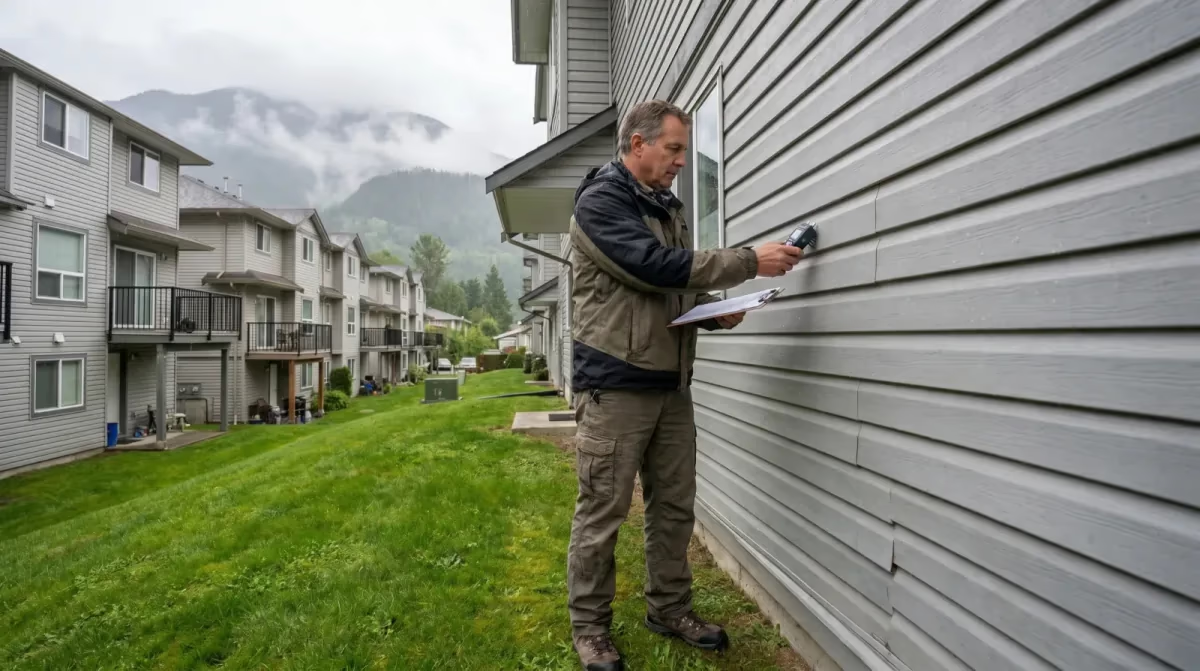

An accepted offer with a subject-to-inspection condition gives you a window to have the property inspected and to decide what to do with the results. When the inspector finds something, the question is what to do next. This post explains how to categorize what the inspector found, the three main ways buyers negotiate after an inspection in BC, when walking away is the right call, and what BCFSA says about the inspection condition.
How defects fall into categories
Before deciding how to respond to an inspection report, it helps to sort the items into categories. We use four in practice.
Cosmetic items are things that look worn, dated, or imperfect but do not affect the structure, systems, or safety of the home. Scratched floors, old carpet, dated fixtures, chipped paint. These are rarely worth a formal renegotiation unless their cost exceeds what you expected when you wrote the offer.
Maintenance items are things that need attention in the normal course of owning a home. A furnace filter that has not been changed, gutters with debris, an HVAC system that has not been serviced. These are the seller's past maintenance choices. Unless they point to something bigger, they are not usually grounds for a price change.
Structural or system items are defects in the bones or working systems of the home: foundation cracks, roof issues that require replacement, an aging or improper electrical panel, plumbing problems, evidence of water ingress. These are the items that cost real money to repair and that affect the home's safety or habitability. These are worth negotiating.
Latent defects are problems the seller knew about and did not disclose. A latent defect is not necessarily visible during a standard inspection. If a seller completed the BC Property Disclosure Statement and left out something they knew about, that is a legal issue that goes beyond the subject-to-inspection negotiation. Speak to a lawyer.
Three ways to respond after an inspection
Once you have read the report and separated the items into categories, you have three main ways to respond to the seller.
Ask for a price reduction. A price reduction lowers the agreed purchase price by an amount that reflects the cost of the defect. The mortgage, deposit, and closing costs all adjust to the new price. For first-time buyers, a price reduction can be more useful than a credit if it reduces the amount they need to borrow.
Ask for a repair credit. A credit is an amount the seller gives the buyer at completion, which the buyer uses to pay for repairs after they own the home. The purchase price stays the same, but the buyer receives money at closing. Many sellers prefer a credit because they do not have to arrange the work before the sale closes. Many buyers prefer a credit because they can choose their own contractor and manage the work on their own schedule.
One thing to check: if your mortgage approval was for a specific purchase price, speak to your mortgage broker before you agree to a large credit. Some lenders treat credits differently depending on how the offer is structured, and you want to confirm the credit does not create a problem with your loan.
Ask for repairs before completion. For certain items, particularly safety items like a gas issue, an improper electrical panel, or a structural defect, some buyers ask the seller to repair the item before the completion date. The challenge is that you are depending on the seller to choose the contractor and do the work to a standard you are happy with. Confirm in writing what repair will be done and to what standard, and consider a follow-up inspection before subjects are removed.
How much to ask for
This is where knowing the actual repair cost matters. We have seen buyers ask for $30,000 based on a vague line in an inspection report, and we have seen sellers counter with $5,000 and walk. The buyers who get results are the ones who come to the negotiation with a real number.
For any item worth negotiating, get a quote from a licensed contractor before you decide how much to ask for. The inspector can usually refer you to a specialist. A quote from a licensed roofer, electrician, or structural engineer gives you a defensible number. "The inspector said the roof is old" is a starting point. "The roofing company quoted $18,500 to replace it" is a negotiation.
When walking away is the right call
Walking away makes sense when the cost of the defects the seller will not address exceeds the value of the deal. This is not a vague calculation. It is: what did you offer to pay, what is the home worth with the defect unfixed, and what is the gap between those two numbers.
It also makes sense when a specialist's follow-up report reveals something the original inspection flagged as a potential concern. We have seen foundation inspections come back with structural problems the generalist inspector could not fully diagnose. When the specialist's report changes the picture, the subject period is the right time to revisit the deal.
You can rescind the offer during the subject period without explanation if the inspection is not satisfactory to you. The BC Financial Services Authority states that the inspection condition is meant to give the buyer the opportunity to have the property inspected and to decide whether to proceed (BCFSA, home inspection guidance). Once subjects are removed, the contract is binding.
What the Property Disclosure Statement covers
Before an accepted offer, most BC sellers fill out a Property Disclosure Statement, a form licensed agents are required to have the seller complete under BCFSA rules. The form asks about known defects, water issues, structural problems, and other material facts.
Read the PDS carefully alongside the inspection report. If the inspector found evidence of a defect that the seller marked as "not known" or "no" on the PDS, that is a conversation for your agent and potentially your lawyer. A seller who knew about a defect and did not disclose it on the PDS has a legal problem that is separate from the inspection negotiation.
What we see work in practice
The offers we see succeed after an inspection tend to follow a pattern. The buyers come back with a written summary of the items they want addressed, attach the contractor quote or the specialist report, and ask for a specific dollar amount or a specific repair. They do not ask the seller to fix a list of twenty cosmetic items. They ask for the two or three things that actually cost money.
Sellers respond better to a clear ask with a number behind it than to a vague request for a price reduction. "We found three items and would like $X off the price to address them" lands better than "we found some things and want you to fix them."
The practical next step
If you are working through an inspection result and want to talk through how to approach the negotiation, reach out to the FRIVE team. We work with first-time buyers across Surrey, Langley, Abbotsford, Chilliwack, Mission, and Maple Ridge, and we can walk through the specific items in your report and what a reasonable ask looks like in the current market.
For more on the buying process from offer to completion, the FRIVE first-time buyers hub covers each step. This post is general information. Speak to your agent and your lawyer before making decisions based on what an inspection finds.
Common inspection findings in Fraser Valley homes
The inspection issues we see most often in the Fraser Valley depend on the age and type of property.
Older detached houses built before 1990 often have electrical panels that inspectors flag for updating. The common ones are double-tapped breakers, older fuse boxes, and aluminum wiring. These are not always emergencies, but they can affect insurance and they should be evaluated by a licensed electrician.
Moisture and water ingress is common in many Fraser Valley properties, particularly in older single-family homes with crawlspaces and in strata buildings with wood-frame construction. The inspector will note any signs of moisture, efflorescence on basement walls, or staining in crawlspaces. These findings range from minor to serious, and a specialist's report is often worth getting before you decide how to respond.
Older roofs are another regular finding. The inspector will estimate the roof's remaining life based on condition and type. A roof with five years of remaining life on a home priced at the top of the range is a negotiation point. A roof at the end of its life is worth getting a quote on before you agree to any price.
What to do in the subject period if you need a specialist
The standard inspection takes three to four hours and covers what is visible and accessible. When an inspector finds something they cannot fully assess, such as a foundation concern or evidence of previous water damage, they will typically recommend a specialist follow-up: a structural engineer, a waterproofing contractor, or a licensed electrician.
If you need a specialist's report to make a decision, you have options. You can ask the seller for a subject extension to allow time for the specialist's visit. Sellers will often agree if the original subject period was short and the request is for a specific reason. You can also proceed and use the specialist's report as the basis for your negotiation, before subjects are removed.
What you should not do is remove subjects before the specialist's report comes back. Once subjects are removed, you are bound by the contract.
The FRIVE team's role in an inspection negotiation
After the inspection report is in, we review it with you and sort the items by priority. We help you decide which items are worth bringing to the seller, what a reasonable ask looks like given the market at the time, and how to structure the ask in a way the seller is likely to respond to.
We do not make the decision for you. The decision to proceed, ask for a credit, ask for repairs, or walk away is yours. Our job is to give you the full picture of what the market will bear, what comparable homes have sold for, and what the actual cost of the defects is.
Reach out to the FRIVE team if you are working through an inspection result and want to talk it through. We work with buyers across Surrey, Langley, Abbotsford, Chilliwack, Mission, and Maple Ridge.
For more on the buying process from offer to completion, the FRIVE first-time buyers hub covers each step in plain language. This post is general information. Speak to your agent and your lawyer before making decisions based on what an inspection finds.
Frequently asked questions
Can I negotiate the price after a home inspection in BC?
- Yes. If the inspection reveals defects the seller did not disclose, you can ask for a price reduction, a credit toward repairs, or repairs before completion. The subject-to-inspection condition in your offer gives you the right to rescind or renegotiate based on the inspection results. How much you can negotiate depends on the severity of the defect, the market, and what the seller is willing to agree to.
What is a price reduction vs a repair credit after an inspection?
- A price reduction lowers the agreed purchase price. A repair credit gives the buyer a sum of money at completion that they use toward repairs after they own the home. Many buyers prefer a credit because they can choose their own contractor. Many sellers prefer a credit because it avoids the hassle of arranging repairs before closing. Both options adjust the buyer's out-of-pocket costs in a similar way, but check with your mortgage broker because a credit may affect the loan amount.
Sources
- Home Inspection - BC Financial Services Authority, BC Financial Services Authority
- Property Disclosure Statement - BCFSA, BC Financial Services Authority
Related guides
- First-Time BuyersYour Landlord Is Selling: Renter Rights in BC and What It Means If You Want to Buy Your First Home
- First-Time BuyersLive-Work Homes in the Fraser Valley: What First-Time Buyers Should Know
- First-Time BuyersSurrey Mayor Candidates 2026, Ranked for First-Time Home Buyers
- Home ConditionEarthquake Risk in the Fraser Valley: What Buyers Should Ask
Found this useful? Share it.
A neighbour, a partner, a friend who's two FHSA contributions away, send it their way.