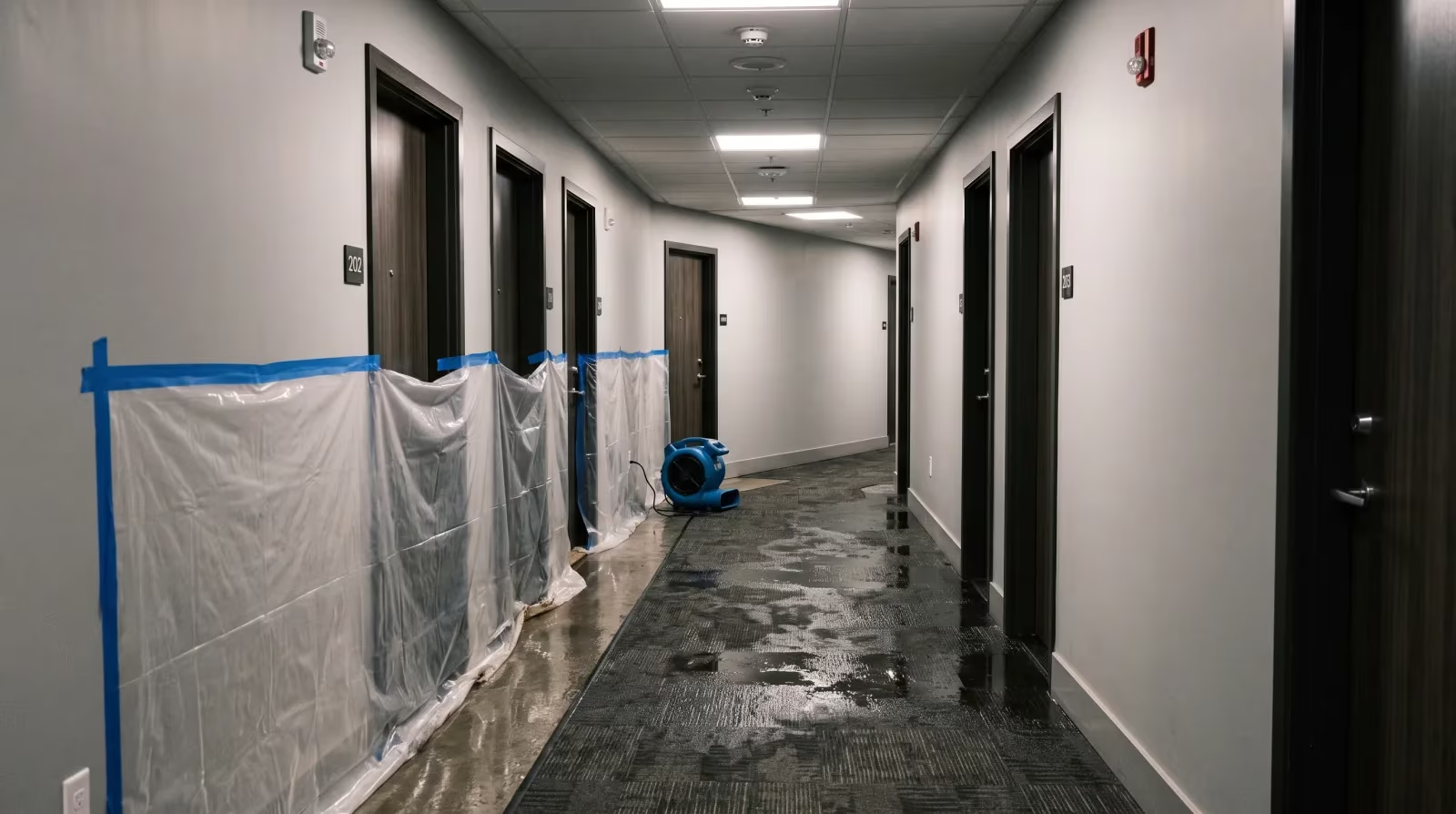

A supply hose fails behind a dishwasher while nobody is home. Water reaches the unit below and the hallway. The strata claims on its insurance, and a few weeks later the owner receives a bill for the deductible. This is one of the least understood financial exposures in BC strata ownership.
What the legislation says
Section 158 of the Strata Property Act addresses payment of the insurance deductible.
It provides that the deductible portion of an insurance claim is a common expense, and that the strata corporation may sue an owner to recover the deductible portion where the owner is responsible for the loss or damage.
That is the mechanism. The strata's insurance responds to the loss, the strata pays the deductible, and the deductible may then be recovered from an owner who is responsible.
Whether an owner is responsible in a given case is a legal question that turns on the facts and the bylaws. It is one where owners genuinely need advice rather than assumptions, in either direction.
Why the number matters so much
The figure that affects you is the building's deductible, and specifically the water damage deductible, which is commonly higher than the general deductible.
According to the Province, deductibles for a strata corporation insurance policy can range from $100,000 to $750,000 and higher, depending on the number of units and the strata corporation's claims history. That range is wide enough that a general figure is worth much less than the actual number for the actual building, and deductibles change at renewal.
That number lives in the insurance summary or certificate in the strata document package. Ask for the current one. Our strata document review checklist covers the full package, and our guide to water damage and strata insurance deductibles covers the wider topic.
Deductible assessment coverage
The protection is available under your own condo policy, and it is generally called deductible assessment coverage. It is intended to respond when a strata charges a deductible to an owner.
The critical part is the limit. Carrying this coverage at an amount well below the building's water damage deductible leaves a gap, and it is a gap you discover at the worst possible moment.
So the sequence is: find the building's deductible first, then tell your broker that number and ask for coverage that matches it. Not the other way around.
Our guide to condo insurance versus strata insurance covers which policy does what, which helps when reading a quote.
Where to look before you buy
Four things, all inside your subject period.
The current insurance summary, noting both the general and the water damage deductible. The minutes, read for a pattern of water claims rather than any single incident. The bylaws, for how the building allocates responsibility between owners and the strata. And your own insurance quote, confirming deductible assessment coverage at a limit that reflects the building's actual figure.
Our strata council minutes red flags guide covers reading minutes for patterns, and a run of water claims is one of the more informative patterns there is.
Claims history flows into your fees too
There is a second effect beyond the deductible.
A building with a difficult claims history can face higher premiums at renewal. That premium sits in the operating budget and therefore in strata fees, which every owner pays every month regardless of who caused the claims.
So a building's insurance record affects both your worst case exposure and your routine monthly cost. Our guide to insurance claim history covers the equivalent question on a detached home.
Reducing your exposure as an owner
Practical measures, none of them expensive.
Know where your unit's water shutoff is, before you need it. Replace old rubber washing machine and dishwasher supply hoses with braided stainless ones. Check under sinks periodically. Do not run a dishwasher or washing machine when you are leaving the home for the day.
Report any leak immediately rather than waiting to see whether it resolves. A small escape addressed quickly is a maintenance item. The same escape ignored for a week can become a claim affecting several units.
Our guide to the condo and townhouse maintenance checklist covers the routine that prevents most of this.
What this should not do
This is not a reason to avoid strata ownership, which would be an odd conclusion in a region where most attainable first homes are condos and townhouses.
It is a reason to read the insurance summary before you complete and to buy a policy with an adequate limit. The owners who get hurt are almost always the ones who never looked at the deductible until after a loss, and who then discovered their own coverage was set at a figure chosen years ago for a different building.
Ten minutes of reading and one conversation with a broker closes that gap.
The short version
Section 158 of the Strata Property Act makes the deductible a common expense and allows the strata to recover it from an owner responsible for the loss. Water damage deductibles are commonly the highest and are the ones that matter.
Find the building's actual deductible in the insurance summary, read the minutes for a claims pattern, and confirm your own deductible assessment coverage at a matching limit.
We are agents rather than lawyers or insurance brokers, and none of this is legal or insurance advice. Responsibility in a specific case depends on the facts and the bylaws, and a lawyer or broker is the right person to advise.
Key takeaways
- Section 158 of the Strata Property Act makes the deductible a common expense and permits recovery from a responsible owner.
- The Province reports strata deductibles ranging from $100,000 to $750,000 and higher, and water damage deductibles are commonly the highest.
- Deductible assessment coverage under your own policy is the protection, and the limit must match the building's deductible.
- A building's claims history also raises premiums, which flows into strata fees for every owner.
- Knowing your water shutoff and replacing old appliance hoses prevents most of these situations.
Frequently Asked Questions
What is a deductible chargeback?
When the strata corporation claims on its insurance, it pays a deductible. Under the Strata Property Act, the deductible can in defined circumstances be charged to an owner, which means the amount becomes a debt owed to the strata.
What does the Strata Property Act say?
Section 158 addresses payment of the insurance deductible. It provides that the deductible portion of an insurance claim is a common expense, and that the strata corporation may sue an owner to recover the deductible portion where the owner is responsible for the loss or damage.
Do I have to be negligent for this to apply?
Responsibility is a legal question that depends on the facts and the bylaws, and it is one where owners often need advice. Do not assume that an accident automatically protects you or that any incident automatically exposes you.
How large are strata deductibles?
The Province states that strata corporation insurance deductibles can range from $100,000 to $750,000 and higher, depending on the number of units and the claims history. Water damage deductibles are commonly higher than the general deductible. Read the current insurance summary rather than assuming a figure.
What is deductible assessment coverage?
It is coverage available under an owner's own condo policy intended to respond when a strata charges a deductible to the owner. Limits vary, so confirm the amount with your broker against the building's actual deductible.
Where do I find the building's deductible?
In the insurance summary or certificate included in the strata document package. Ask specifically for the current one, including the water damage deductible, since that is usually the relevant figure.
Do strata fees go up because of claims?
A building with a difficult claims history can face higher premiums at renewal, which flows into the operating budget and therefore into strata fees. That is one reason a pattern of claims in the minutes is worth noticing.
How can I reduce my exposure?
Confirm your own policy limits including deductible assessment coverage, know where your unit's water shutoff is, maintain appliance hoses and connections, and report leaks immediately rather than waiting to see whether they resolve.
What should I check before buying?
The current insurance summary with deductible amounts, the minutes for a pattern of water claims, the bylaws for how responsibility is allocated, and your own quote confirming deductible assessment coverage at an adequate limit.
Is this a reason to avoid condos?
No. It is a reason to buy the right policy and to read the building's insurance summary before you complete. Owners who get caught are almost always the ones who never looked at the deductible until after a loss.
Sources
- Strata Property Act, Government of British Columbia
- Insurance for strata corporations, Province of British Columbia
Verified September 1, 2026. General information only, not legal or insurance advice. Responsibility for a deductible depends on the facts and the bylaws. Consult a BC lawyer and a licensed insurance broker.
Related FRIVE guides
- Water damage and strata insurance deductibles, the wider topic
- Condo insurance vs strata insurance, which policy covers what
- Strata document review checklist, where the insurance summary sits
- Strata council minutes red flags, reading for a claims pattern
- Condo and townhouse maintenance checklist, preventing the loss in the first place
Next Steps: Work with FRIVE
This is the strata topic we most often find first-time buyers have never heard of, and it is one of the easiest to protect against. Read one page of the insurance summary, then have one conversation with your broker.
If you want help finding the deductible figure in a document package you are reviewing, start a conversation with the FRIVE team or browse current Fraser Valley listings.
Found a condo or townhouse you like?
Let the FRIVE team request and review the strata package for you. We'll go through the Form B, depreciation reports, and council minutes, and let you know if we spot any red flags, like upcoming special levies or restrictive rules. Completely free, no obligation, no pressure.
Sources
- Strata Property Act, Government of British Columbia
- Insurance for strata corporations, Province of British Columbia
Related guides
Found this useful? Share it.
A neighbour, a partner, a friend who's two FHSA contributions away, send it their way.