What Bridgeview is
Bridgeview is an older North Surrey neighbourhood on the south shore of the Fraser River, part of the Whalley town centre. It stretches south from the river toward King George Boulevard and sits between the Pattullo Bridge to the west and the Port Mann Bridge to the east (Wikipedia). For a first-time buyer, the honest summary is this: it's a low-lying, working-character area of mostly older detached homes, with one genuinely useful feature, Scott Road SkyTrain station on its doorstep.
We'd rather be straight with you up front. This isn't a polished new-construction townhouse pocket like Clayton or Sullivan Station. It's an established, industrial-adjacent part of the city with a long and sometimes complicated history. That history is part of why pricing here can run below much of Surrey's detached market, and it's also why the due diligence matters more than usual. We'll walk through both sides below.
The transit story is the strongest reason to look here
The standout practical feature in Bridgeview is rapid transit. Scott Road station sits at the King George Boulevard and Scott Road interchange and serves the Bridgeview neighbourhood directly (Wikipedia). It's on the Expo Line, the SkyTrain branch that runs through New Westminster toward downtown Vancouver, so for many addresses here a one-seat transit commute is realistic, something most of Surrey's lower-priced detached pockets can't offer.
Scott Road station opened on March 16, 1990 and served as the Expo Line's eastern terminus until the extension to Surrey City Centre opened in 1994 (Wikipedia). It's also one of TransLink's larger Park and Ride and bus-connection points. If your priority is getting onto SkyTrain without paying City Centre condo prices, that combination is the real draw of this neighbourhood. By car, the Pattullo Bridge takes you into New Westminster and the Port Mann connects to Highway 1, though bridge traffic varies a lot by time of day, so drive your own route before you commit.
What the housing actually looks like
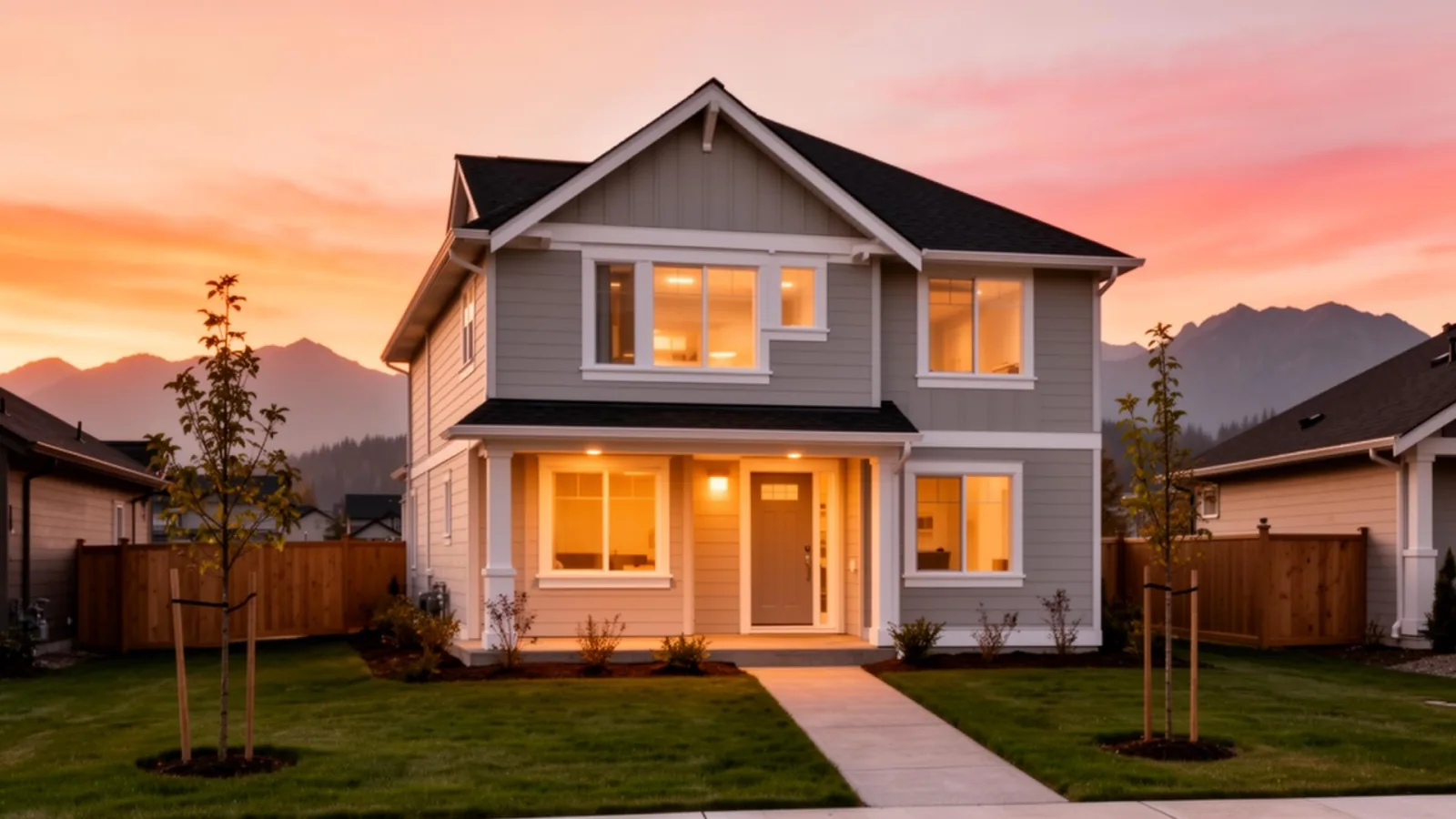
Bridgeview is dominated by older single-family detached homes, with some infill detached and a handful of industrial-residential edge parcels near the commercial fringes. Strata supply is thin. There are far fewer townhouses here, and very little condo stock, compared with Whalley or the newer-construction pockets further south. If you're a first-time buyer whose plan is a condo or townhouse, this isn't where the depth is, and we'd point you toward Whalley or other Surrey areas for that.
Where Bridgeview can make sense is value detached. Pricing here often runs below much of Surrey's detached market, which occasionally brings older homes within reach of the BC first-time home buyers' property transfer tax exemption range. The full exemption applies to the first $500,000 of value when a property's fair market value is $835,000 or less, with a partial exemption between $835,000 and $860,000, effective April 1, 2024 (Government of BC). Whether a specific home qualifies depends on its assessed value and your own eligibility, so treat the exemption as something to confirm per property, not assume.
The floodplain reality, stated plainly
Bridgeview is low-lying land on the Fraser River floodplain, and that's not a detail to gloss over. The 1894 and 1948 floods reached high water levels across this part of North Surrey, and dikes were built in the 1970s specifically to protect the neighbourhood (Wikipedia). The City of Surrey maintains the Fraser River dike and floodplain system today (City of Surrey).
For a buyer, this means a few concrete homework items. Confirm the floodplain status of the specific parcel, check whether a Flood Construction Level requirement or a flood covenant sits on title, and understand the home's relationship to the dike. These aren't reasons to walk away on their own, plenty of people live here happily, but they change what insurance, future renovation, and resale look like, so they belong in your due diligence rather than as a surprise after subject removal. Confirm the current rules directly through the City of Surrey floodplain pages before you remove conditions.
A working-character history that still shapes the area
It helps to understand how Bridgeview got here. In the mid-1970s, residents fought the municipality over the lack of sewers, septic tanks would overflow into drainage ditches, while the city leaned toward industrialising the riverfront (Wikipedia). The dikes came in that same decade. That mixed residential-and-industrial past is still visible in the streetscape: you'll find homes next to light-industrial and commercial uses in a way you won't in a purpose-built residential subdivision.
For some buyers that texture is a non-issue, or even a plus, it's part of why the area is more affordable. For others it's a dealbreaker. The only way to know which camp you're in is to walk the specific block, at different times of day, and look at what's actually next door.
Schools and everyday amenities
Bridgeview is served by School District 36 (Surrey), and Bridgeview Elementary (K-7) is in the neighbourhood (Surrey Schools). As everywhere in Surrey, catchments vary by exact address and get redrawn as enrolment shifts in this high-growth district, so confirm the current elementary and secondary catchment through the Surrey Schools locator rather than relying on a listing's "neighbourhood school" line.
For day-to-day shopping and services, much of the wider Whalley and Surrey City Centre offering is a short SkyTrain ride or drive away. Bridgeview itself is more residential-and-industrial than retail-rich, so most errands happen outside the immediate pocket.
What we always check before you offer here
Bridgeview asks for two layers of due diligence rather than one. The first is the standard older-detached inspection list: asbestos in homes of a certain era, knob-and-tube wiring, perimeter drains, oil-tank history, and foundation and drainage condition. The second is location-specific: floodplain status and Flood Construction Level, dike proximity, and, for any parcel on the industrial edge, environmental and zoning questions, since some older industrial land carries soil-history considerations that affect what's possible nearby.
We always recommend a lawyer review title for covenants and a qualified inspector go through the home before you remove conditions. On older-stock, industrial-adjacent property, that homework isn't optional, it's how you avoid an expensive surprise.
The honest trade-offs
Bridgeview makes sense for a fairly specific buyer: someone after value detached at lower North Surrey pricing, who genuinely values walk-to-SkyTrain access, and who's comfortable taking on older housing stock plus the floodplain and industrial-adjacent context. For that buyer, the combination of price and transit is hard to match elsewhere in the city.
It makes less sense if you want an entry-level condo or townhouse, the strata supply just isn't deep here, or if a low-lying floodplain location, an industrial neighbour, or a 1950s-70s home's maintenance load would keep you up at night. For those buyers, Whalley for strata and SkyTrain, or a newer-construction Surrey pocket, will likely fit better.
For current Bridgeview market context, benchmark prices, sales pace, and how it sits in the wider Surrey market, see our monthly Fraser Valley market update on the FRIVE journal. The live MLS® listings on this page show what's available right now, and you can always start a low-key conversation with the FRIVE team, we'll never push you to write an offer before you're ready.