What defines Whonnock
Whonnock is the easternmost MLS neighbourhood in the City of Maple Ridge, a rural, naturally treed, hilly community on the north bank of the Fraser River, roughly 56 kilometres east of downtown Vancouver along the Lougheed Highway. The name comes from the Kwantlen First Nation word for "humpback salmon," reflecting the historic salmon run on the Fraser. Most of the area sits within the BC Agricultural Land Reserve, with RS-3 (Single Detached Rural Residential) the dominant zoning.
For buyers, the practical Whonnock proposition is simple. This is land-and-house country. Acreage, mature evergreens, hobby-farm potential, and the kind of quiet that you can't engineer into a Town Centre condo. The trade-off is the standard rural one: car-dependent, well-and-septic infrastructure, longer commute, and ALR constraints on what you can do with the land.
The ALR situation
Most of Whonnock is within the BC Agricultural Land Reserve, and the RS-3 zoning that dominates the area reflects that rural-residential character. For buyers, ALR designation creates real constraints. Additional dwellings, secondary suites, coach houses, accessory buildings, and home-based businesses are all subject to ALR and City of Maple Ridge rules. A buyer planning anything beyond living in the existing house should engage a lawyer with ALR experience before finalising an offer.
The flip side of the ALR is character preservation. The land you see today, the trees, the hilly terrain, the rural quiet, won't be subdivided into 5,000 square foot lots in your lifetime. ALR is what keeps Whonnock the kind of community that buyers come for in the first place.
What the housing looks like
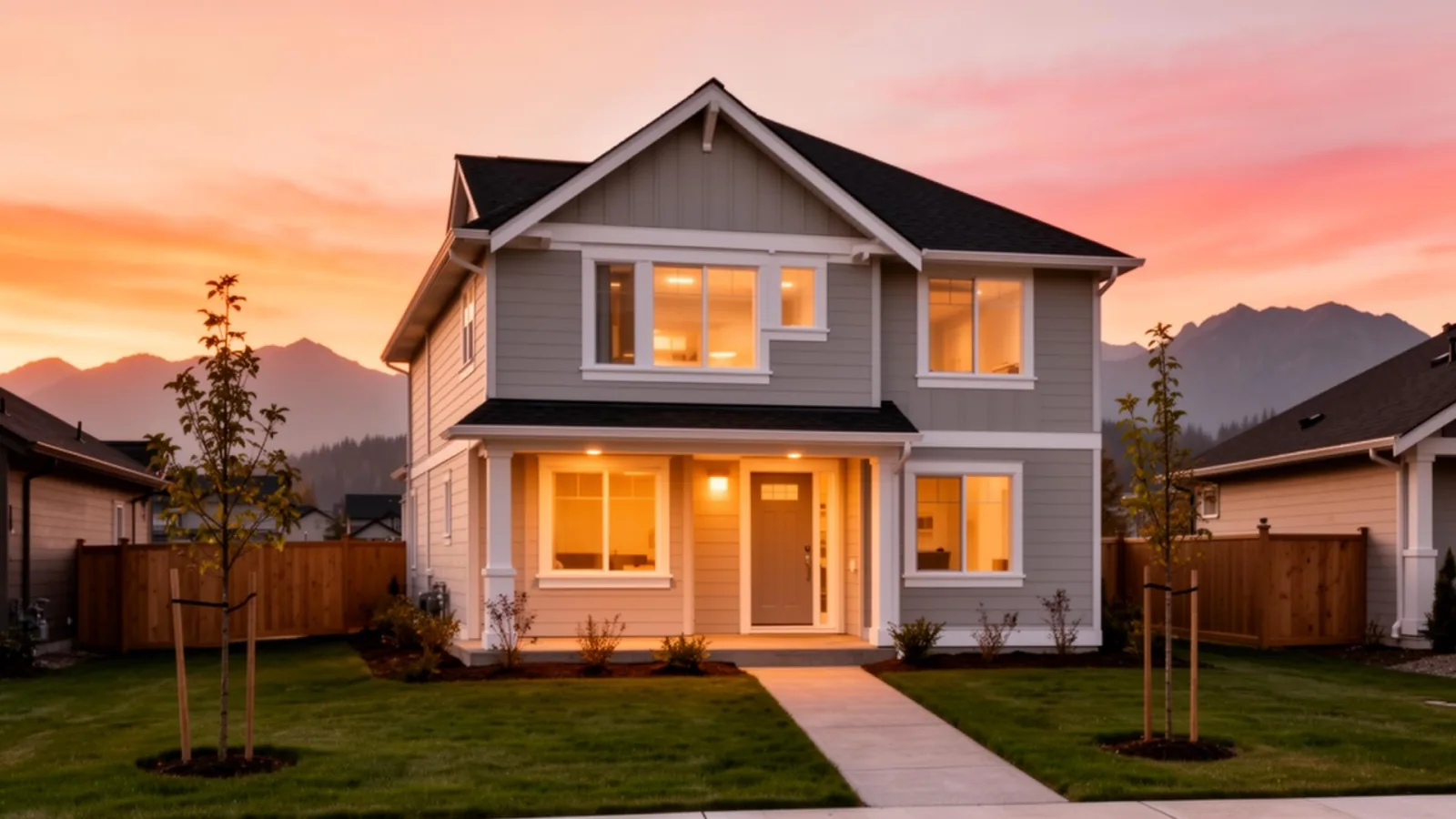
Single-family detached on acreage is the dominant form. Typical lot sizes run 2 to 10 acres, with some smaller rural-residential parcels and some larger working or hobby farms. Construction eras range from 1970s and 1980s rural ranchers and split-levels through occasional newer custom builds on subdivided lots. There are no townhouses or condos in Whonnock, the buyer pool is fundamentally different from the Town Centre or Albion markets.
Many properties include equestrian or farm infrastructure: barns, paddocks, sand rings, storage outbuildings. Some are working farms with active production; many are hobby farms with a few chickens and a horse or two. The mix matters because the buyer experience differs sharply by what's already there.
Whonnock Lake and the local community
Whonnock Lake sits in the centre of the community and gives the area both its name and one of its better community amenities. The lake supports recreational use, has a community centre nearby, and adds a rare lake-community element to a rural Lower Mainland area. For families with kids, that adds a meaningful lifestyle layer over the standard rural offering.
Schools and rec
School District 42 (Maple Ridge, Pitt Meadows) serves Whonnock. Common catchments include Whonnock Elementary and surrounding rural-area SD42 elementaries depending on specific address. Garibaldi Secondary or Maple Ridge Secondary are common secondary catchments. School-bus pickup is standard. Confirm with the SD42 school locator before offering.
For outdoor recreation beyond Whonnock Lake, Golden Ears Provincial Park is a 20-30 minute drive west via Lougheed Highway. The Fraser River trail and waterfront access along the south boundary of Whonnock are everyday assets.
Getting around
Car-dependent. The Lougheed Highway is the main east-west spine, connecting to central Maple Ridge and onward to Pitt Meadows and the Pitt River Bridge for Vancouver-bound trips. The Golden Ears Bridge near Albion gives cross-Fraser access to Walnut Grove (Langley) and Surrey. There is no West Coast Express station in Whonnock; the closest are Port Haney and Maple Meadows, both 15-25 minutes by car.
For Vancouver-bound commuters, expect 75-100 minutes door-to-door at peak. For cross-Fraser commuters to Langley or Surrey, the Golden Ears Bridge cuts that meaningfully. For buyers who work in central Maple Ridge or who don't commute daily, the commute question becomes less relevant.
Buyer concerns we always check here
Standard rural inspection list applies and matters more here than in Town Centre Maple Ridge: well water quality and yield (request a recent water test and well log), septic system condition and capacity (pumped and inspected before completion), ALR designation and any farm-status taxation on the title, RS-3 zoning specifics, property access including any shared driveways or easements, insurance (rural properties often require specialty insurers), and heating fuel (oil and propane are common in older homes).
For working farms specifically: water rights, soil-testing history, livestock-housing compliance, manure-management compliance, and any environmental-protection orders affecting watercourses on the property. For Fraser River-adjacent lots: floodplain mapping and flood construction levels.
How Whonnock stacks up
The honest case for Whonnock is that you're buying real acreage, mature evergreens, lake-community character, and the kind of rural quiet that the Lower Mainland is rapidly losing elsewhere. For a buyer who's done one cycle of suburban townhouse life and wants genuine space, very few areas compete on price-per-acre at this commute distance from Vancouver.
The honest case against is the commute, the rural infrastructure operational reality, the ALR constraints, and the thin inventory that rarely produces the "perfect" property on demand. None of those make Whonnock wrong, they're the trade-offs that make it Whonnock instead of central Maple Ridge.
For current Whonnock market context, see our monthly Fraser Valley market update on the journal.