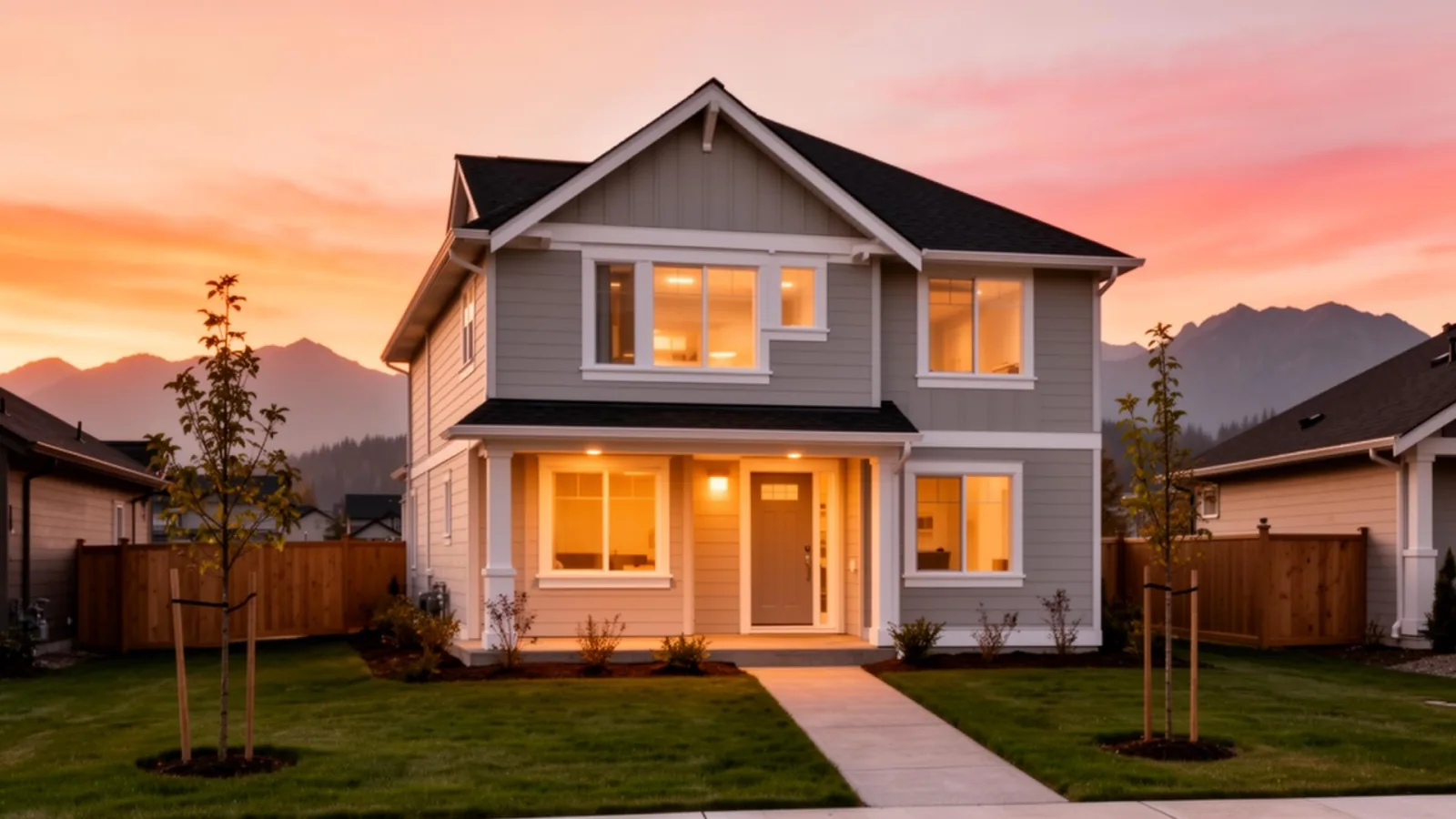
What defines the Chilliwack River Valley
The Chilliwack River Valley is the rural river-and-mountain corridor extending east of Chilliwack along the Chilliwack River toward Chilliwack Lake. The area carries a mix of acreages, river-fringe properties, rural-residential detached, and recreational properties. For lifestyle and recreation buyers wanting Chilliwack pricing with serious outdoor access, the valley is distinctive.
This is not a commuter neighbourhood. Most buyers are lifestyle-oriented, primary residents who chose the valley deliberately, weekenders with seasonal cabins, or recreation enthusiasts who use the corridor's river and mountain access regularly.
What the housing looks like
Acreage detached, river-fringe properties (with riparian considerations), rural-residential detached, and recreational or seasonal properties. Construction eras vary widely from older river-fringe cabins through occasional recent custom new construction. Lot sizes from rural-residential to multi-acre.
For first-time buyers, the river valley is not the fit. Pricing, due-diligence load, and lifestyle commitment don't match typical first-time scope.
Outdoor recreation
The Chilliwack River is a major regional fishing and recreation river. Hiking trails throughout the valley. Camping at multiple locations along the corridor. Chilliwack Lake at the eastern terminus is a major recreation destination, boating, fishing, camping, hiking. For valley residents, this access is the practical lifestyle layer.
Flood and riparian considerations
River-fringe properties face floodplain rules, Flood Construction Level requirements, dyke considerations, and riparian setbacks under BC's Riparian Areas Protection Regulation. The Chilliwack River is a working salmon-bearing river with specific regulations protecting riparian areas. This isn't urban-residential due diligence, the rules carry meaningful weight on what you can build, where you can build it, and what alterations are permitted.
Schools and rec
School District 33 (Chilliwack) covers the area. Catchments vary by specific address. Confirm with the SD33 school locator. School-bus pickup is standard for the rural geography.
Getting around
Distance to Highway 1 varies widely, closer-in pockets are 15-25 minutes; further-east pockets can be 30-45 minutes. Drive times to Surrey approximately 70-90 minutes off-peak; to downtown Vancouver typically 115-140 minutes at peak.
Buyer concerns we always check here
For river-fringe properties: floodplain status, Flood Construction Level, riparian setbacks, dyke condition. For acreages: well water condition, septic system condition, fire-protection access (this is important, fire response times can be longer in the rural corridor). For all valley properties: title easements (BC Hydro corridors, river access agreements), insurance availability and cost. For seasonal properties: winter access reality and any closed-period considerations.
What to weigh, honestly
The honest case for the Chilliwack River Valley is outdoor access at Fraser Valley pricing. For genuine outdoor-recreation buyers, anglers, hikers, paddlers, campers, having the river and the lake at the doorstep is a real lifestyle layer that's hard to substitute.
The honest case against is the commute, the rural-services load, and the regulatory due diligence (floodplain, riparian, ALR where applicable). The valley is not for buyers who want rural-aesthetic without rural-reality. None of this disqualifies the area for the right buyer; it just means the buyer match has to be honest.
What we typically ask first
The first thing we ask river valley buyers is whether they have confirmed the flood status on the specific address. This isn't a formality, flood construction levels, riparian setbacks, and dyke-condition questions vary significantly from one parcel to the next along the river, and the answer changes what is insurable, what is buildable, and what the true carrying cost will be. We want that answer before we go further.
Second, we ask about well water. Properties on well-served rural-residential parcels need a recent flow test and a water-quality test that includes coliform and nitrates. Some older wells along the valley corridor have had issues with seasonal turbidity or mineral content. A property with a reliable, tested well is meaningfully different from one with an unknown history.
Third, we ask about winter access and fire response. The Chilliwack River Valley narrows as you move east, and some properties are on roads that see limited maintenance in winter. Fire response times can be materially longer than the urban areas of Chilliwack. For primary-residence buyers with families, both of these need to be priced into the decision honestly.
The resale picture
The resale market for Chilliwack River Valley properties is specialized. Buyers looking here are typically lifestyle-motivated, anglers, outdoor recreation users, cabin owners, retirees who chose the corridor deliberately. That pool is real but narrow. Properties with clear title, clean well and septic records, and confirmed floodplain status typically move faster. Properties with any ambiguity on the riparian or flood questions often sit longer while buyers work through due diligence.
Seasonal properties and cabins tend to sell in a compressed window, spring through early fall, when the lifestyle appeal is most visible. Listing a cabin in November is a tougher ask. Primary residences with good road access and documented rural services sell on a less seasonal rhythm.
In our experience, the right documentation package matters more here than in almost any other sub-market. Buyers who can see clean well records, a recent septic inspection, and confirmed floodplain status move faster and more confidently. Sellers who have that paperwork ready close more easily.
For current Chilliwack River Valley market context, see our monthly Fraser Valley market update on the journal.